
- calendar_today June 29, 2026
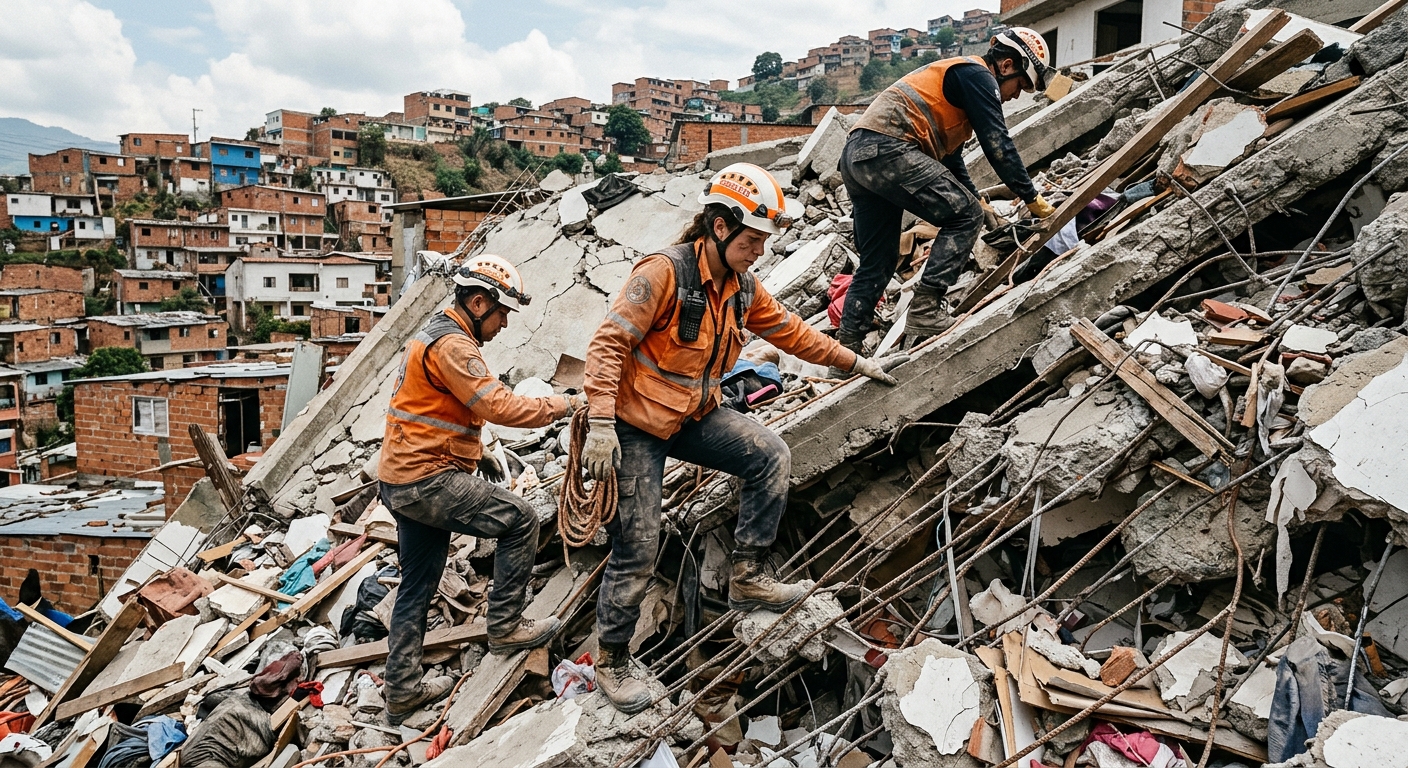
The recent venezuela earthquake has captured the attention of communities across British Columbia, as devastating tremors leave thousands in urgent need of assistance. In the wake of back-to-back quakes, rescue teams persist in their search for survivors amid widespread building collapse and escalating concerns about the scale of the humanitarian crisis.
Rescue Efforts Amidst Widespread Destruction
With over 1,700 reported deaths and thousands displaced, Venezuelan authorities face unprecedented challenges coordinating a timely disaster response. Despite the restoration of electricity to nearly 90 percent of the hardest-hit areas, the magnitude of the earthquake relief required is testing the limits of emergency management capabilities. Rescue efforts in La Guaira remain a race against time, as the critical window to locate and save survivors narrows with each passing hour.
Aftershock Impact Prompts New Evacuations
Adding to the ongoing crisis, a 4.6 magnitude aftershock rattled central regions, prompting temporary evacuations in the nation’s capital, Caracas, and halting metro services to ensure the safety of local infrastructure. This aftershock impact further complicated relief logistics and heightened community anxiety about additional tremors. Emergency teams were quick to respond, conducting thorough inspections to safeguard residents and prevent further tragedy.
International Aid and Regional Solidarity
Global support has poured into Venezuela, reflecting deep concern among international partners. The United States alone pledged over $300 million in direct assistance, deployed 300 specialized first responders, and is supporting critical infrastructure repairs, including key installations at the port and airport. British Columbia, known for its robust emergency preparedness and strong diaspora ties, is closely monitoring ongoing rescue efforts and humanitarian developments, inspiring several local organizations to mobilize donations and resources in support of those affected.
Emergency Shelters Offer Temporary Relief
Temporary emergency shelters have been established to provide basic necessities for displaced families. However, conditions remain challenging as overcrowding, inadequate supplies, and trauma compound the hardship faced by survivors. Community leaders in hard-hit localities have called for improved coordination and transparency to ensure that earthquake relief reaches those most in need, especially vulnerable groups left stranded by infrastructure damage and logistical obstacles.
Infrastructure Damage and Recovery Hurdles
The scale of infrastructure damage in coastal and urban areas is immense, with vital public buildings, roads, and utilities requiring extensive repairs. The collapse of residential and commercial structures has created an urgent demand for temporary housing and long-term rebuilding strategies. Despite restoration of power in many zones, some districts remain inaccessible, making the delivery of aid and medical support a persistent challenge. Few communities have been spared, and the casualty figures continue to rise, underscoring the urgent requirement for sustained intervention.
Assessing the Road Ahead
The ongoing humanitarian crisis in Venezuela has generated renewed calls for global solidarity and strategic disaster response. As international agencies and local organizations work side by side, coordination remains key to moving from short-term emergency measures to longer-term recovery. British Columbia residents, many with personal or community ties to the affected region, are staying engaged, channeling support through established aid networks and raising awareness about the evolving needs on the ground.
Lessons for Regional Preparedness
As British Columbia tracks developments following the venezuela earthquake, local authorities and emergency planners are using the event as a sobering reminder of the vulnerabilities faced by earthquake-prone regions worldwide. Strengthening earthquake relief protocols and preparing for rapid disaster response are increasingly central to ensuring community resilience. The lessons emerging from Venezuela’s experience may help shape future strategies and reinforce the value of well-planned support for those affected by natural disasters.