
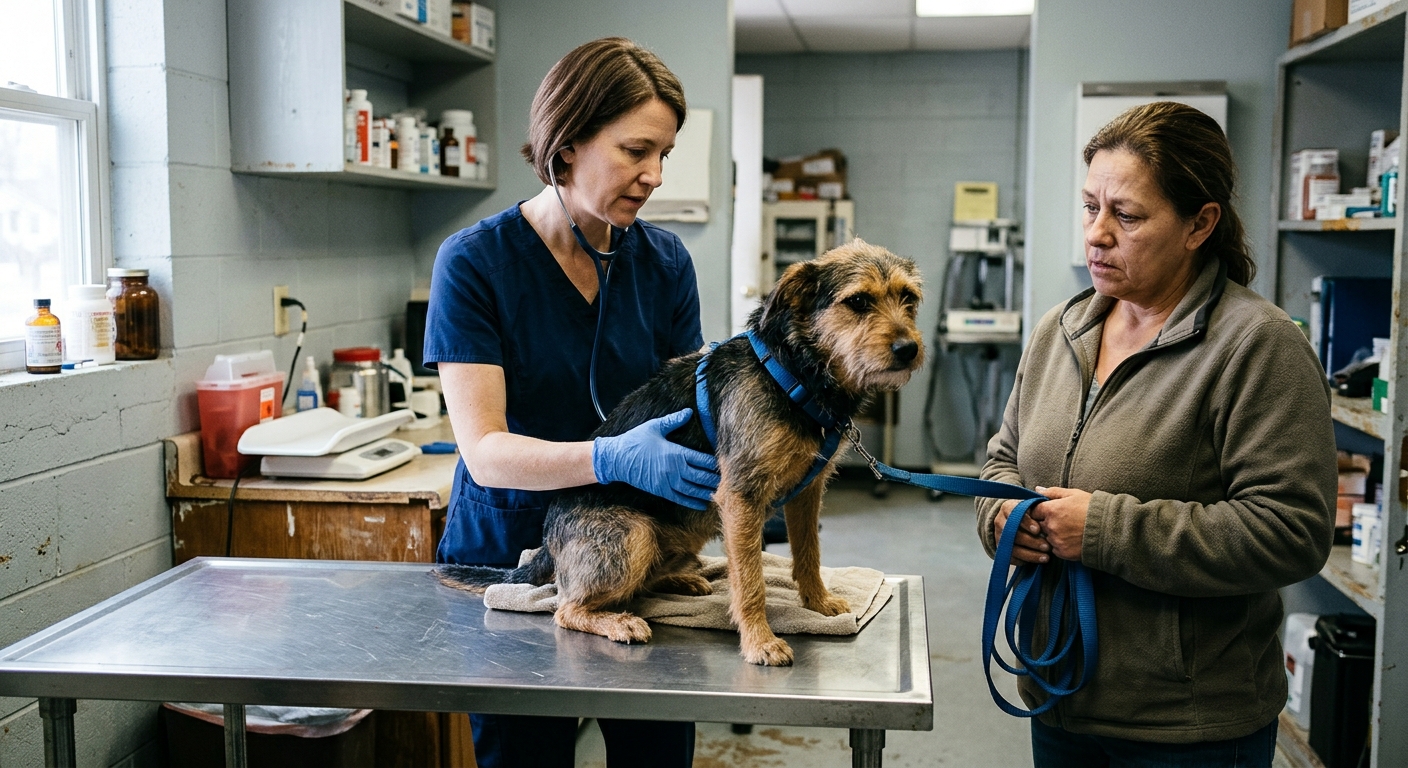
AI-generated illustration; not a photograph of the reported event.
- calendar_today November 12, 2026
Non-Profits Struggle as Demand for Affordable Vet Care Skyrockets
Several animal welfare non-profits in British Columbia are facing unprecedented demand for subsidized veterinary care, reporting that the surge has outpaced their ability to help pet owners in need. Rising costs and limited resources are forcing many organizations to turn away requests for assistance, as more people struggle with the province's affordability crisis.
Organizations Report Dramatic Increases in Requests for Help
The Vancouver Humane Society (VHS), Okanagan Humane Society (OHS), Paws for Hope, the Regional Animal Protection Society (RAPS), and Langley Animal Protection Society (LAPS) all say they have witnessed significant upticks in applications for low-cost veterinary treatment. VHS reported receiving 14 times more applications for assistance this year compared to 2020, and is declining over seven times as many applications as in 2023. Similarly, RAPS in Richmond has seen daily requests for full subsidies double since last year.
Romany Runnalls, operations director at Okanagan Humane Society, noted a steep climb in monthly assistance requests, from just a few per month previously to up to 300 per month now. LAPS said its spending on assistance programs jumped by around 231 percent in 2025 compared to 2022. Paws for Hope, based in Vancouver, is currently turning away over 200 people each month, up from 45 to 60 in 2025.
Impact of Rising Costs and Capacity Shortages
Chantelle Archambault, a spokesperson for VHS, described how rising rents, salaries, and equipment costs are leading to higher veterinary expenses for pet owners. This situation has left many with the difficult choice between seeking emergency care for their animals or providing food for their families. "Pets are suffering," Archambault remarked on the difficult decisions facing families.
Veterinarian Dr. Hatley McMicking, who works with several non-profits, pointed to the lack of a veterinary school in British Columbia as exacerbating workforce shortages, with population growth outstripping industry capacity. According to a 2025 national report, even households earning over $90,000 per year are feeling the squeeze—27 percent cited declining veterinary care over affordability, while 98 percent of veterinarians said worsening or chronic conditions for pets are a major concern when care is declined.
Pet Owners Seeking Alternatives Amid Affordability Crisis
The deepening affordability crisis has pushed some pet owners to seek alternative funding avenues. Shayna Sommers, who faced mounting healthcare bills after her cat gave birth to a litter with health complications, raised $40,000 through crowdfunding. She described the hospital cost for two kittens alone as approximately $30,000, and called the overall expense "astonishing." For many, these costs are simply out of reach without external help.
Innovative Approaches to Expanding Access
In response to the crisis, Dr. Kyla Townsend is opening a low-cost practice, Community Paws Veterinary Clinic, near Vancouver’s Downtown Eastside. Townsend stressed that feelings of guilt and shame are common among pet owners unable to afford care, and emphasized her team’s efforts to increase capacity through specialized training and streamlining procedures. However, she acknowledged ongoing difficulties in keeping such clinics financially viable and called for more organizations to provide similar services.
Calls for Greater Provincial Support
Leaders of several non-profits have voiced the need for increased provincial government support. Kathy Powelson, executive director of Paws for Hope, advocated for animal welfare to be treated as a social service. However, the provincial Ministry of Agriculture and Food declined to comment, citing restrictions in communications during the post-election period.
As demand for subsidized veterinary care continues to rise across British Columbia, animal welfare organizations are warning that without additional support and long-term solutions, more pet owners and their animals may be left without essential care.
Source: cbc.ca.