
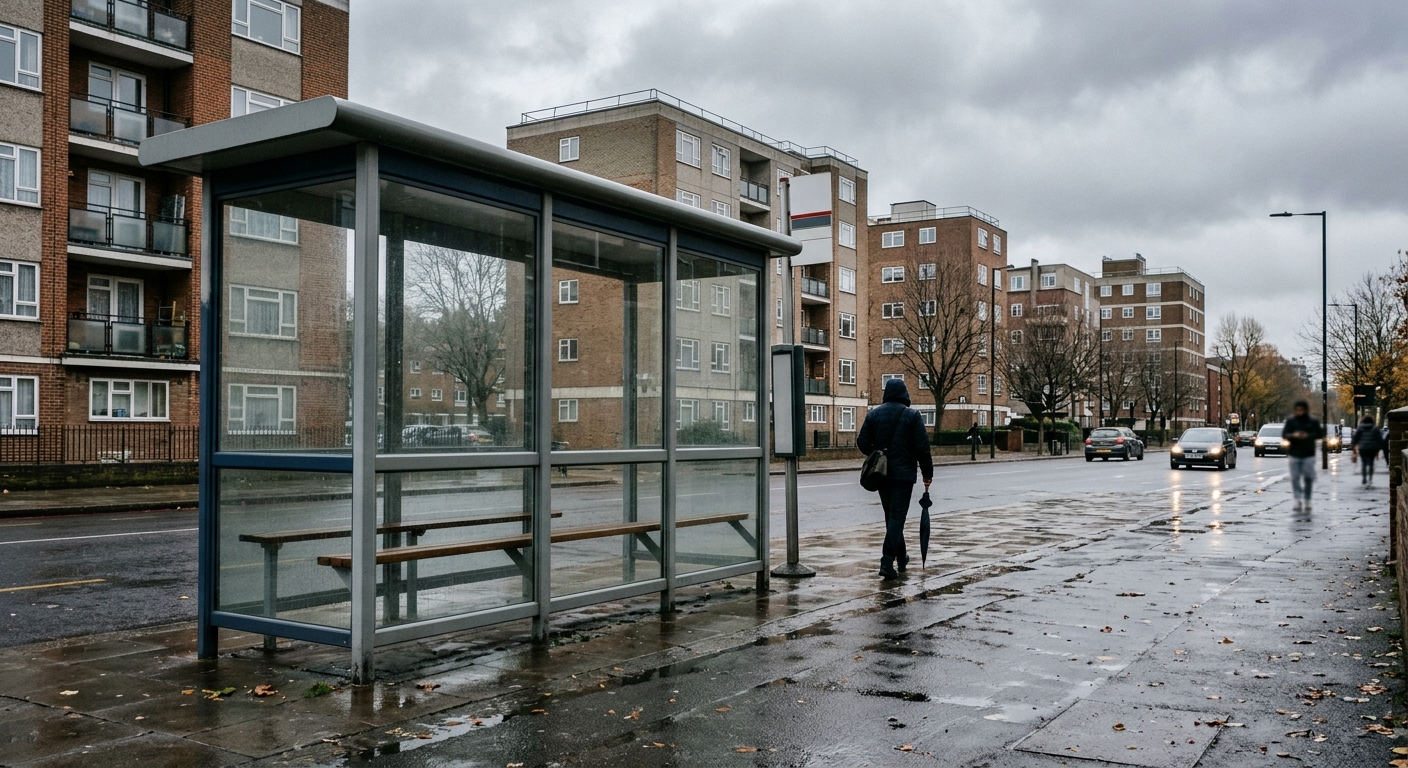
AI-generated illustration; not a photograph of the reported event.
- calendar_today November 18, 2026
New Council Prepares for First Major Meeting
The newly elected Vancouver city council is preparing for its first substantive meeting, where a series of motions will be debated that signal a shift from previous municipal policies. The agenda includes covered bus stops, regulatory reviews of data centres, vacancy control, and restoring Vancouver's living wage employer certification. These motions address both immediate civic needs and broader policy directions.
Political Shift in Vancouver Leadership
Following the October 17, 2026 municipal election, which saw Mayor Pete Fry and a centre-left council come to power, the city's political landscape has changed significantly. The former ABC majority and Mayor Ken Sim were voted out, with Mike Klassen as the only ABC councillor re-elected. The new majority is now setting out to reverse or review several contentious policies of the past administration.
Key Motions: From Covered Bus Stops to Sustainable Infrastructure
OneCity Coun. Lucy Maloney has introduced an omnibus motion aimed at halting work on some previous ABC proposals. The motion advocates restoring reduced speed limits on major roads and incorporating climate-friendly infrastructure in new buildings. It also recommends ending a delivery robot pilot project that had attracted controversy. Maloney describes these proposals as non-controversial and aligned with the strong community mandate given by voters.
Scrutiny on Data Centres and Alignment with Climate Goals
Another motion from Maloney focuses on artificial intelligence data centres, calling for a review of their fit with the city's climate objectives. The motion proposes that future data centres submit third-party assessments concerning water use and noise. This move aims to address emerging challenges as tech infrastructure expands in the city.
Vacancy Control and Tenants' Rights
COPE Coun. Sean Orr is introducing five separate motions, including initiatives to restore Vancouver’s living wage employer certification and repeal a freeze on new supportive housing. Orr also seeks to introduce a universal tenants bylaw, which could legally recognize tenants' unions and establish a 'right of return' for those displaced through renovictions or demolitions. Central to the discussion is the proposal for vacancy control, which would tie rent to the unit rather than the tenant. Though implementing vacancy control is primarily a provincial jurisdiction, Orr emphasizes the need to address rising rents.
Tom Davidoff, associate professor at UBC's Sauder School of Business, comments that while vacancy control would reduce incentives for landlords to evict tenants for higher rents, it might also discourage property investment. He suggests that increasing property taxes and redistributing the funds to renters could be a more effective approach.
Collaboration and Changing Council Dynamics
Orr notes an improved atmosphere within city hall, characterized by greater transparency and collaboration among councillors. He highlights that some proposals, like adding covered benches at bus stops, could have an immediate impact on the daily lives of citizens without significant budget implications. The new council appears intent on building political capital and advancing its agenda through both incremental and ambitious policy shifts.
Looking Ahead
The upcoming meeting marks a significant turning point as Vancouver’s council embarks on a new direction. With motions ranging from everyday amenities to structural policy changes, the new leadership is promising a focus on community priorities and collaboration, setting the stage for broader debates on municipal and provincial responsibilities.
Related coverage
Source: cbc.ca.