- calendar_today August 9, 2025
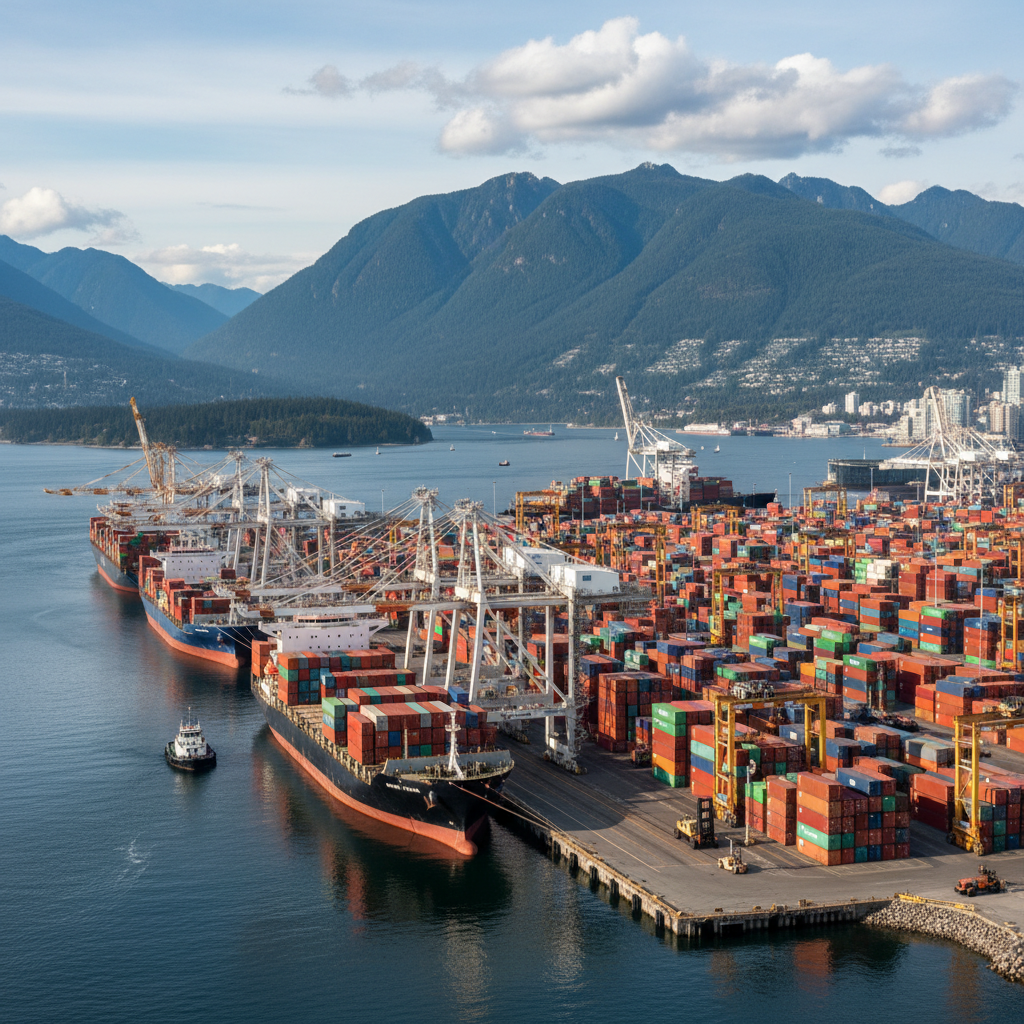
The intensifying trade tensions between the United States and China in 2025 have once again sent shockwaves through global markets, and British Columbia’s economy is no exception. As a province with strong ties to international trade, natural resources, technology, and manufacturing, British Columbia is particularly sensitive to shifts in tariff policies and supply chain disruptions.
In response to persistent trade imbalances, the U.S. government imposed tariffs up to 54% on a wide array of Chinese goods, including electronics, automotive parts, and industrial equipment. China retaliated with tariffs of approximately 34% on U.S. exports and tightened export controls on rare earth minerals essential for advanced manufacturing and clean technologies.
These developments have led to heightened market volatility and uncertainty, posing risks as well as opportunities for investors throughout British Columbia.
British Columbia’s Economic Exposure
British Columbia’s economic landscape is varied and deeply integrated with the global economy, particularly through its forestry, technology, and manufacturing sectors.
Forestry and Wood Products
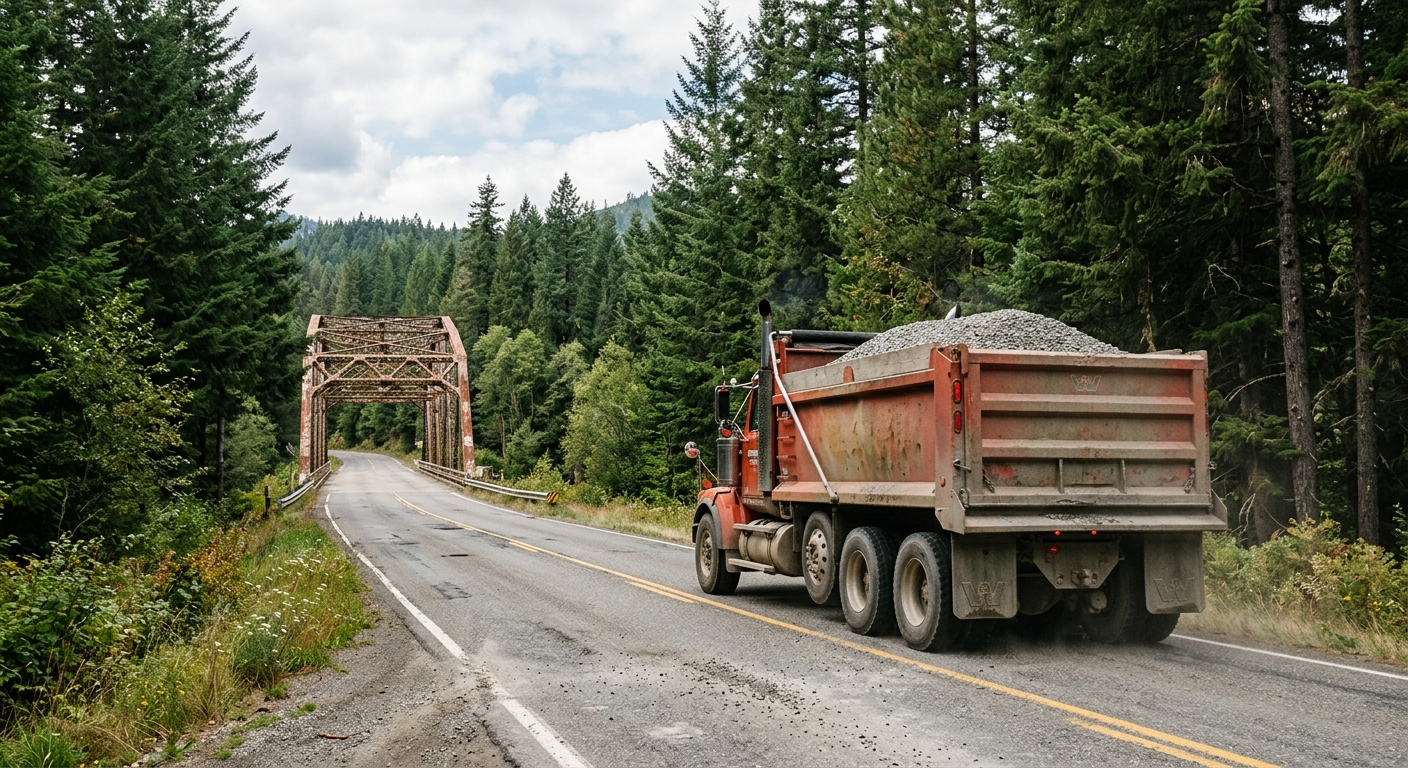
Forestry remains a cornerstone of British Columbia’s economy. However, tariffs on U.S. goods and retaliatory actions by China have impacted exports of lumber and wood products, with China being a significant market. Tariff-related price fluctuations could affect logging companies, mills, and related employment in the province.
Technology and Innovation
Metro Vancouver and Victoria are technology hubs housing companies focused on software, hardware, clean energy, and semiconductor manufacturing. The province’s tech firms depend heavily on components sourced internationally, including rare earth minerals controlled by China. Export restrictions and supply chain interruptions threaten production schedules and innovation pipelines.
Manufacturing and Trade
British Columbia’s manufacturing sector, including aerospace and machinery production, faces rising costs and logistical challenges due to tariffs and disrupted supply chains. Firms reliant on exports to the U.S. and Asia must navigate increased costs and changing demand.
Strategies for British Columbia Investors
Amid these challenges, investors in British Columbia can adopt strategies to manage risk and identify growth areas:
- Diversify Investments:
Limiting exposure to sectors directly affected by China-U.S. trade disputes and increasing holdings in domestic-oriented industries like healthcare, infrastructure, and local services can reduce portfolio volatility. - Consider Alternative Assets:
Commodities such as metals and forestry products, real estate investment trusts (REITs), and inflation-protected securities provide useful hedges. - Stay Informed:
Tracking trade negotiations, government policies, and market developments enables timely portfolio adjustments. - Focus on Innovation and Reshoring:
Investing in companies benefiting from North American reshoring trends or involved in clean technology innovation may yield long-term growth opportunities.
The 2025 U.S.–China trade escalation highlights the fragility and complexity of global supply chains. British Columbia’s diversified economy offers resilience, but investors must remain vigilant.
By adopting diversified, informed, and flexible investment strategies, British Columbia’s investors can navigate uncertainties and capitalize on emerging opportunities, strengthening their portfolios amid a shifting trade environment.