
- calendar_today August 10, 2025
British Columbia Economy Reacts to Market Gains with Tariff Adjustments Presents New Opportunities
The rally in Dow Jones futures as a result of the recent announcement of tariff flexibility by erstwhile U.S. President Donald Trump is making waves in all of British Columbia. Being one of Canada’s most economically diversified provinces, British Columbia is highly attuned to movement in world trade policy. The change would have extensive repercussions on such technologically advanced, natural resource-based, and foreign trade-oriented sectors as are central to the province’s economic growth.
As international markets react favorably to the prospect of lowered trade barriers, British Columbia investors and entrepreneurs are weighing how the shifts can redefine the economic landscape and local opportunities in the months ahead.
Positive Signs for International Trade
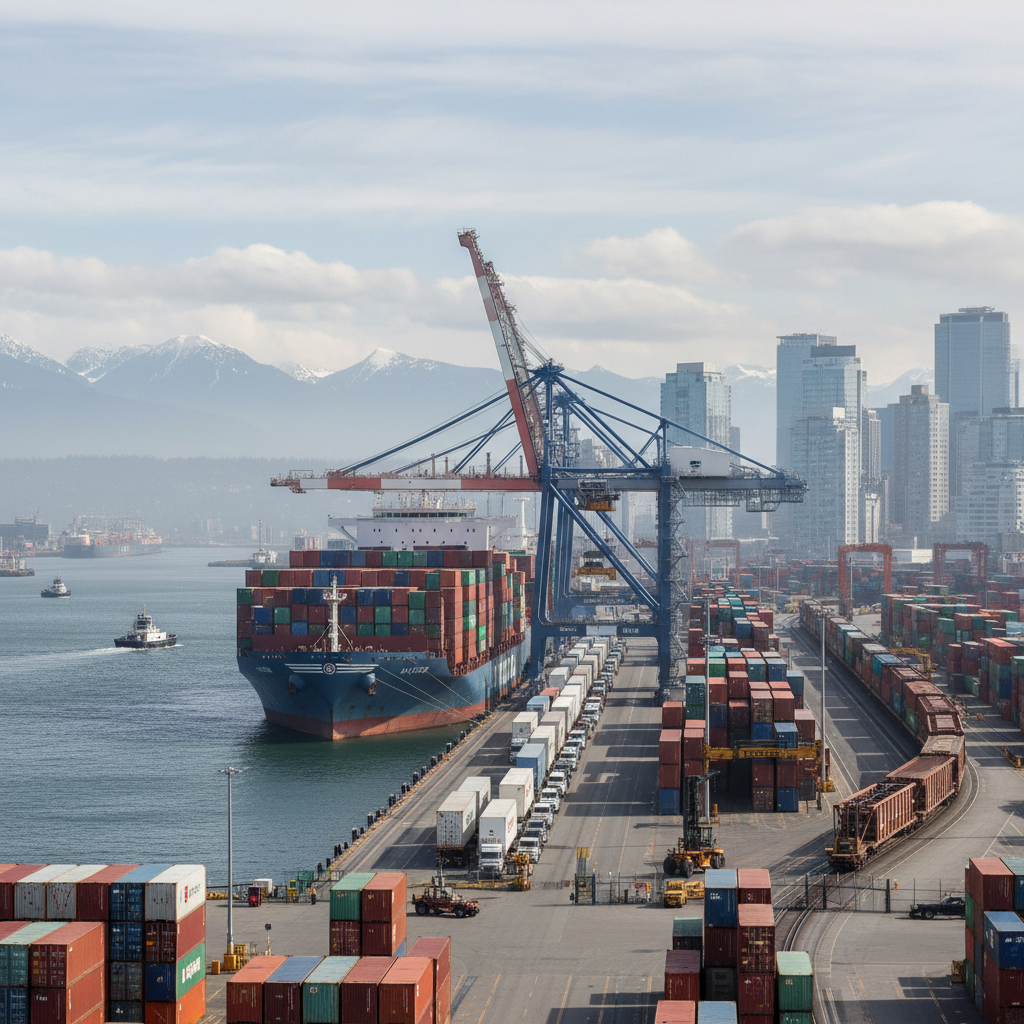
British Columbia’s location on Canada’s west coast gives it a key role as an exchange point for international trade to Asia-Pacific and U.S. markets. Port facilities in Vancouver exchange billions of dollars worth of merchandise every year, ranging from agricultural products and raw materials to finished goods.
Trump’s flexibility with tariffs can lower the cost of importing and exporting, which will ease the economic burden on businesses that depend on cross-border trade. This is particularly significant for sectors such as:
- Lumber and forestry – a critical export to the U.S. market.
- Agriculture – including seafood and specialty crops.
- Consumer electronics – which rely on imported parts.
Reducing tariffs decreases the price of imports and enhances demand for British Columbia exports, making the provincial economic base more robust.
Tech Industry Sees New Opportunities
The tech industry in British Columbia is a fast-developing provincial engine of economic growth. Software development, clean tech, and artificial intelligence firms depend on international supply chains for specialized equipment and raw materials.
Tariff reductions can reduce operating costs for these companies, enabling further innovation and growth. It is especially important for Vancouver’s tech industry, which competes internationally for investment and talent.
If trade barriers are reduced, local tech companies might have easier access to the U.S. market and foreign customers, earning revenue and stimulating more startups to venture into the field.
Natural Resource Industry Picks Up Pace
British Columbia’s resource industry—especially mining, oil, and gas—has experienced increasing costs with tariffs on foreign equipment and inputs. Relaxation of these tariffs would lower the cost of production and enhance profitability.
With continuing strong demand for commodities globally, lower tariffs would increase the competitiveness of British Columbia’s resource exports on the international market. This would also help support job creation and infrastructure investment in rural and resource-based economies.
The increasing renewable energy programs of the province, such as hydroelectric power, can also be taken advantage of lower foreign technology and equipment prices.
Small Businesses and Consumers Get Impacted
Aside from large industries, small businesses in British Columbia also get impacted by tariff policy. Most of them depend on imported materials—from consumer electronics to household products—to keep themselves operational.
If tariff flexibility means lower costs, small businesses would gain in many ways:
- Lower imported stock prices.
- Higher profit margins.
- Improved prices for domestic consumers.
For British Columbians, reduced tariffs can translate into cheaper consumer products, from cars to appliances, putting more money into people’s pockets and stimulating economic activity.
Investor Confidence Boosts, But Uncertainty Remains
The increase in Dow Jones futures is a sign of increased investor confidence, and British Columbia’s market is no exception. Tariff flexibility is expected to be translated into smoother trade relations by financial analysts, which will draw foreign and domestic investment.
However, some investors are still cautious since policy uncertainty remains a risk. Tariff policy can change rapidly based on future political events and negotiations with other countries.
British Columbia investment advisors suggest diversified portfolios to offset possible market volatility but still capitalize on growth potential in those industries most likely to gain from these changes in tariffs.
Economic Outlook for British Columbia
As British Columbia navigates the consequences of Trump’s tariff flexibility, strategic industries such as trade, technology, and natural resources will benefit. Economic growth and investment in these industries may accelerate, resulting in new jobs and business growth, if tariffs continue to ease.
While U.S. intentions are unclear, the uncertainty regarding what future American trade policy will be keeps investors and corporations on their toes. Whether or not future international trade agreements and other large economies choose to react in different ways to such trade imbalances, will determine the long-term effect on the economy of British Columbia.
Meanwhile, British Columbian investors are following Dow Jones futures with keen interest, keeping fingers crossed that good times are here to usher in an era of economic stability and new market opportunities.