
- calendar_today August 15, 2025
The ripple effects of Hyundai’s staggering investment in the United States’ automotive and steel industries amounting to $21 billion have very huge imprints across the globe. Most of its capital injection is earmarked into the production of electric vehicles, battery manufacturing, and steel infrastructure; but in the meantime, British Columbia watches very attentively to how this growth affects local trade, jobs, and supply chains.
British Columbia, as a key player in the distribution of automobiles and clean energy in Canada, would have opportunities as well as challenges with this dramatic proposal by Hyundai.
Adjustments in Trade and Supply Chains
Hyundai would reinforce domestic production and manufacturing in the United States. This could reshape the aforementioned imports from Canada. No doubt, the port city of British Columbia would be affected by supply chains, pricing on vehicles, and demands for industrial materials.
Automotive Imports & Exports: With Hyundai’s expansion on North America production, Canada could see fewer imports of vehicles from overseas and more vehicles sourced from the U.S., which would have implications on B.C.’s dealerships and distribution networks.
Steel and Industrial Materials: The investment Hyundai does in steel infrastructure would only heighten the demand for raw materials and, therefore, could have an impact on the mining and industrial sectors in B.C.
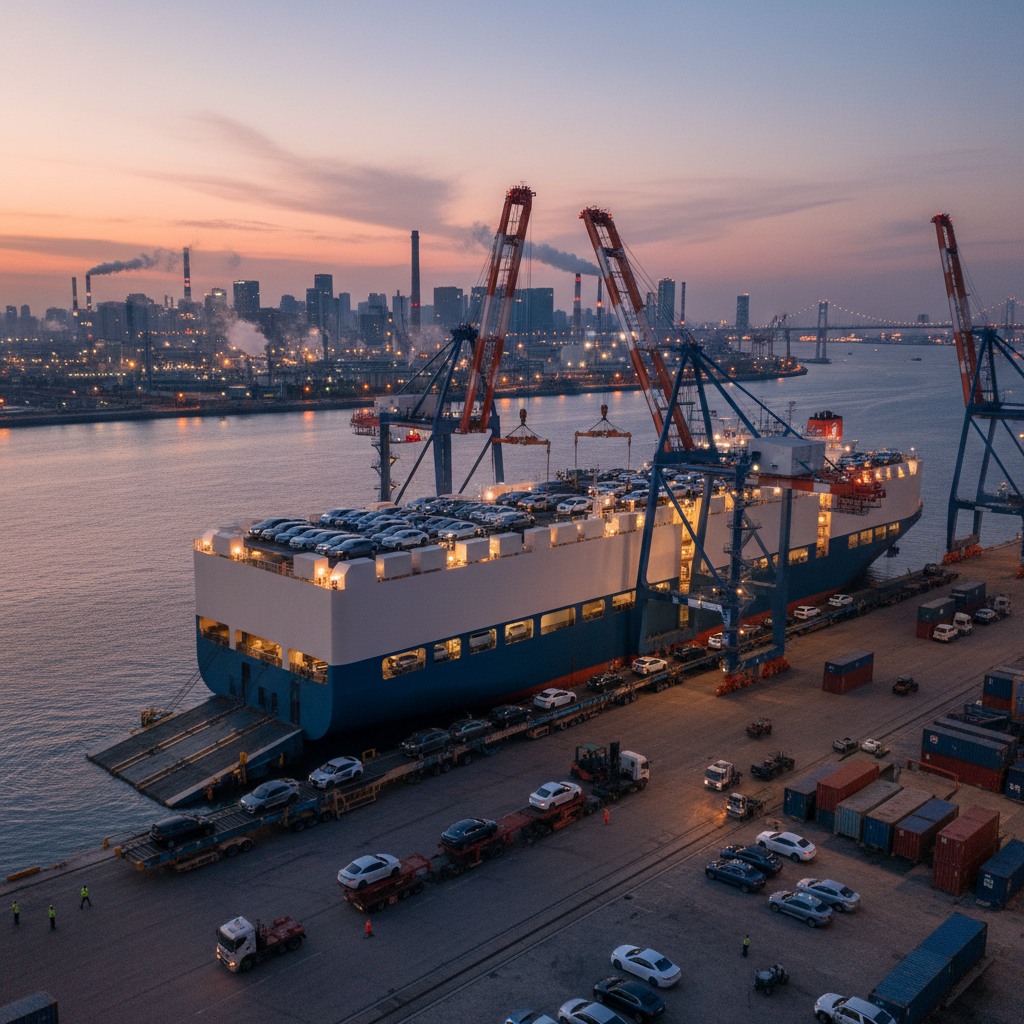
Shipping and Logistics: More localized supply chain by Hyundai would also lead to changes in how the Port of Vancouver actually plays in terms of auto importation.
Effect on British Columbia Auto Market
British Columbia is one of those provinces where positive changes within the automotive market are rapidly identifying themselves such as enhanced adoption of electric vehicles and government incentives on clean transportation. These novelties in investment by Hyundai with a focus on EV and battery production certainly coincide with the warm transition for B.C. toward green energy but at the same time raise issues of cost, competition, and car dealership models.
Increased Availability of EVs: If Hyundai increases its North American electric vehicle production, then it will be possible for B.C. consumers to have options on electric vehicles at even better prices.
Supply and Pricing: More consistent pricing may emerge as production moves into the United States; currency fluctuations and trade policies will have an effect on costs for Canadian buyers.
Expanded EV Infrastructure: The investment strengthens the move into electrification, which might hasten the expansion of B.C.’s charging networks as well as clean energy initiatives.
Economic and Employment Considerations
Hyundai’s investment will directly impact manufacturing centers in the United States, but indirectly affect the automotive, technology, and industrial industries in British Columbia.
- Linkages between Tech and Innovation: With increased research in battery technology and electric vehicles, Hyundai may find opportunity for cooperative efforts with the clean tech and renewable power sectors of British Columbia.
- Shifts in Workforce: If Hyundai’s production ramps up for electric vehicles and batteries, then much of B.C. automotive workforces may find themselves in need of training on new technology.
- Energy Demand: More electric vehicles on the roads would result in greater demand and investment for B.C.’s hydroelectric generation and renewable energy sectors.
Looking Ahead: What This Means for British Columbia
Hyundai’s $21 billion U.S. investment underscores a major shift in the North American auto industry. British Columbia, as a key economic player in Canada’s trade, energy, and transportation sectors, will need to adapt to supply chain changes, market trends, and evolving consumer demands.
As Hyundai solidifies its U.S. presence, British Columbia’s role in trade, EV infrastructure, and industrial materials may evolve alongside a changing automotive landscape.