
- calendar_today August 22, 2025
How Lululemon’s Sales Decline Is Affecting British Columbia’s Apparel Industry
Lululemon’s performance woes are striking fear into the fashion sector in British Columbia. Below is how the domestic sector is dealing with the trouble caused by the brand’s performance.
Introduction
Lululemon, one of the top brands in the activewear sector, has recently been grappling with enormous sales problems. The company’s sales forecast has been lowered amid broader economic concerns, raising alarm bells in the apparel sector across British Columbia. As a major player in the region’s retail market, Lululemon’s struggles are sending ripples through local businesses, many of which rely on the brand’s influence. In this article, we’ll examine how British Columbia’s apparel market is being impacted and what steps are being taken to address these challenges.
Why Lululemon’s Slump Is Important to British Columbia’s Fashion Sector
Lululemon has been an institution in British Columbia, the home base for the company, and its success affects not only its own stores but the entire clothing industry. Here’s how its slump in sales is important to local retailers:
1. Lower Consumer Confidence in Luxury Athletic Apparel
Lululemon has become synonymous with premium activewear. When the company chases falling sales, shoppers will also not want to spend money on expensive merchandise. In sports- and exercise-friendly British Columbia, where outdoor exercise is a passion, this shift can lower the demand for expensive activewear, affecting local stores that sell such items.
2. Potential Supply Chain Interruptions
Lululemon’s bad luck can result in supply disruptions of activewear, such as delayed shipment and even prices. Most of the stores based in British Columbia depend on Lululemon’s or comparable premium brands, and any hesitation in the supply of products directly affects their stock and sales.
3. Shifting Consumer Trends
If performance-based fashion like Lululemon persists, British Columbia’s fashion industry will undergo a shift towards more sustainable fashion. Consumers can begin to switch to cheaper activewear alternatives, and local business owners might be forced to adapt their product lines to reflect this trend.
Reasons for Lululemon Sales Downturn
Lululemon’s forecasting problems are not necessarily internal company issues. Instead, they are the result of several economic and industry-related factors. Awareness of these is the key to understanding the impact on British Columbia’s apparel industry:
1. Economic Slowdown
A slowing economy, augmented by inflation and increasing interest rates, has led consumers to rethink how they spend. To discretionary-income-based premium brands such as Lululemon, that translates to fewer shoppers willing to spend money on premium sportswear, and thus lower sales.
2. Greater Competition
The activewear market has become increasingly competitive. Emerging, new brands are offering comparable but lower-cost alternatives to Lululemon’s high-end products. In British Columbia, where consumers prefer performance and value, that competition might be eroding Lululemon’s market position.
3. Supply Chain Disruptions
As with that of the majority of other businesses, Lululemon has not been immune to the impacts of global supply chain issues. Material shortages, factory slowdowns, and higher shipping charges have all worked to drive the cost of goods up, affecting the availability of products and prices. British Columbia suppliers, who are likely most reliant on Lululemon’s supply chain, can also expect the same disruptions, and thus price hikes and shortfalls.
4. Shifting Consumer Trends
Consumer preferences are evolving, too. Increasingly, consumers are more aware of their purchases and looking for more sustainable, cheaper, or locally sourced products to compete with mainstream overseas brands. This will be a challenge for Lululemon and can also affect how British Columbia retailers are diversifying their product offerings.
How British Columbia’s Apparel Market Is Adapting
While Lululemon’s forecasted decline in fortunes is reason for alarm, British Columbia’s fashion industry really is adapting strategically to meet the probable hit:
1. Focusing Value and Affordability
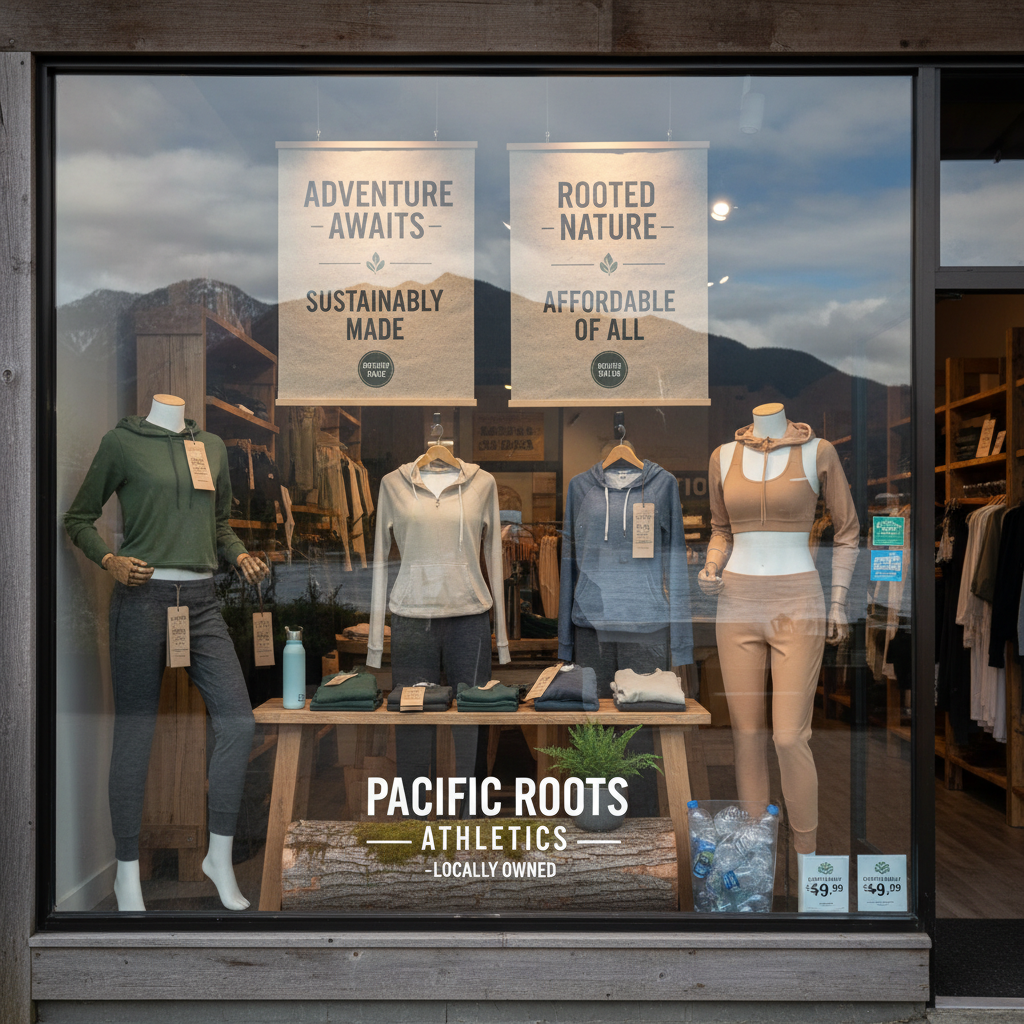
With consumers becoming more frugal in their purchase habits, many retail companies in British Columbia are looking to focus on offering more affordable activewear options. Adding more affordable alternatives, the companies anticipate that they would be able to retain customers who do not want to pay top dollar for Lululemon products anymore.
2. Activewear Brand Diversification
British Columbia fashion industry is diversifying its product lines as well. The shoppers are experimenting with new brands that make good-quality activewear at affordable prices. The brands are widening consumers’ choices by presenting more variety, and thus being competitive and attractive to price-conscious consumers.
3. Emphasis on Sustainability and Local Products
Certain British Columbia stores are leading the way with sustainability, offering environmentally friendly, locally manufactured, or ethically produced sportswear. As consumers become more demanding for sustainability, these stores are tapping into a niche market that answers shifting values among consumers. This focus may allow them to differentiate themselves from larger, declining brands like Lululemon.
4. Customer Relationship Building and Loyalty Programs
Local apparel firms are also investing in repeat customer initiatives and individualized shopping experience. By forming more relationships with their customers, they expect to receive repeat business even in the midst of economic difficulty. Special discounts, individualized recommendations, and reward to repeat shoppers are customer retention tactics.
The Future of British Columbia’s Apparel Market
Despite Lululemon’s prediction difficulties, British Columbia remains a good market for sportswear. Since the apparel sector in the province has recovered from shifts in spending habits and economic performance, it can ride out the current downturn. While the slowing sales of premium brands are frightening, the focus among local retailers on affordability, sustainability, and innovation can potentially allow them to thrive in an exacerbated market.
Conclusion
Lululemon’s own insecurity with projecting has rattled British Columbia’s fashion business. Local retailers are adjusting, though, in a positive manner. By carrying less expensive merchandise, expanding their brand choices, and focusing on client loyalty, British Columbia’s fashion businesses are weathering these challenges and getting ready for expansion to come.