
- calendar_today August 12, 2025
British Columbia (B.C.), the most trade-dependent province of Canada, has been facing economic uncertainties in the face of the trade policies of the government of then-President Donald Trump. Forestry, technology, agriculture, and tourism being the most dependent sectors in B.C., trade agreement modifications, tariffs, and border rules have had a huge impact on the economy of B.C. As policymakers and operators seek to prop up the province’s economic future, they look to alternatives to diversify and respond to risks and seize new opportunities.
Forestry Sector Grapples with Tariffs
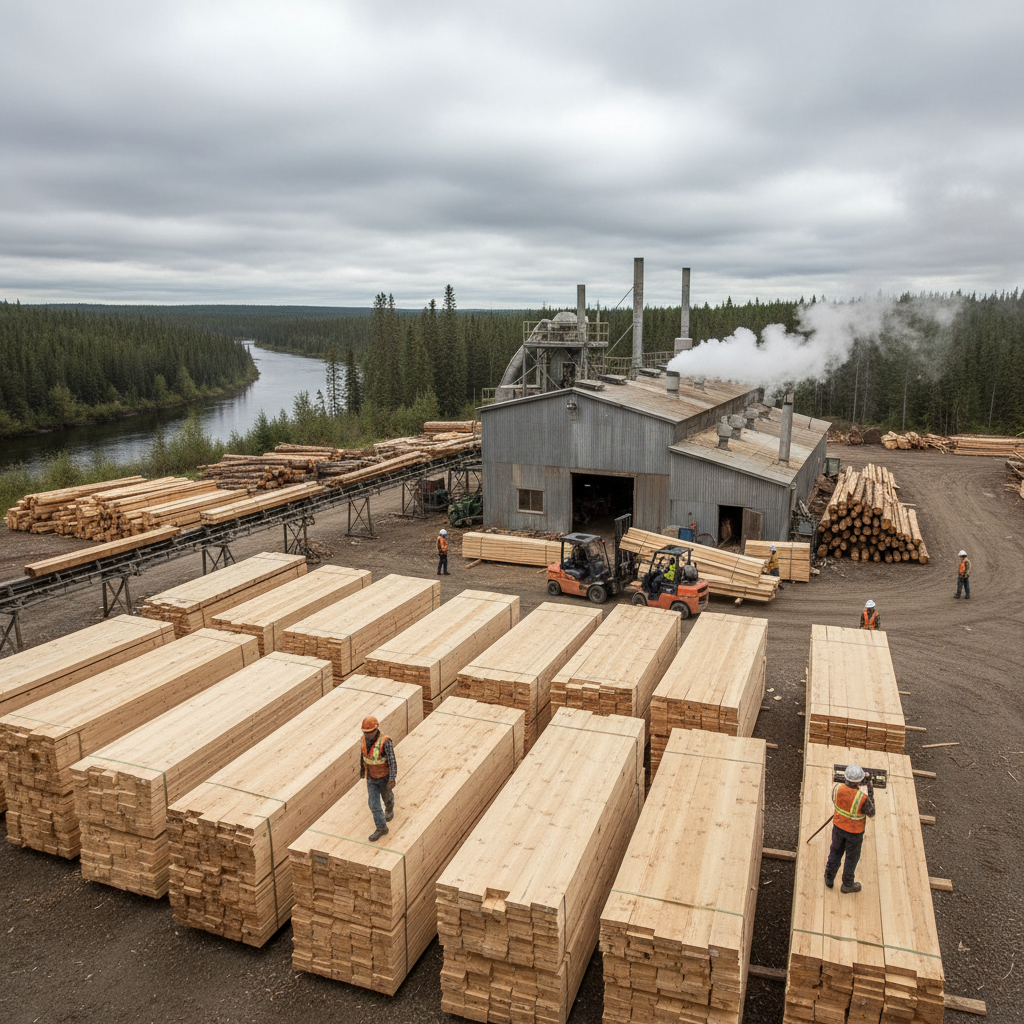
Arguably the most devastated industry in B.C. is the forest industry. The Trump government had imposed tariffs on Canadian softwood lumber, which had reopened a long-standing issue between the two nations. The tariffs made it more expensive for American builders to use Canadian softwood while reducing demand for Canadian lumber exports simultaneously. Therefore, B.C. forest companies were struck with reduced profits, layoffs, and mill closures in numerous towns.
When the pandemic caused increased demand for wood, subsequent economic downturns coupled with ongoing uncertainty in trade made it tricky for B.C.’s wood industry to be fully recovered. The industry continues to pressure for a new multilateral agreement with the United States that brings stability and reasonable market access.
Agriculture Adapts to New Trade Realities
B.C.’s agricultural industry, and by extension grape and fruit growers and vintners, have likewise felt the negative effects of evolving trade policy. Under the U.S.-Mexico-Canada Agreement (USMCA), transformations affected how Canadian farm products compete in U.S. markets. Some sectors, such as beef and grain export, benefited from more access, whereas others, such as wine and dairy, were faced with higher competition from American products.
The wine industry, a significant cornerpost of the B.C. economy, had to adjust to new rules preventing the province from showing special favor to wines made in the province in government-owned liquor stores. As it did so, fruit producers, and apple and berry producers especially, have been looking for alternative markets with differing U.S. consumption patterns.
Technology Sector Seeks Stability Amid Uncertainty
British Columbia’s thriving tech industry, especially in Vancouver, has also had to endure economic uncertainty brought about by the change in trade policies. Most of the tech firms in B.C. operate depending on cross-border investors and expertise, but Trump’s tighter immigration policies and visa regulations cut off the supply of skilled labour between Canada and the United States.
Despite all these challenges, B.C.’s tech industry has weathered quite well with most of the companies registering growth due to increased Canadian investment due to uncertainty in the US labor market. Even US technology firms expanded their operations in Vancouver in order to access skilled labor not granted visas in the US.
Tourism Industry Battles Cross-Border Problems
Tourism is another of B.C.’s major industries impacted by trade-related economic uncertainty. While Trump’s policies mainly had an impact on goods and services, changed U.S.-Canada relations also affected travel. Border controls, visa conditions, and economic uncertainty made American tourist visitation in British Columbia fluctuate.
Since being a dominant generator of the province’s employment and economic activity, tourism has been pinpointed by players within the industry as one area where the focus would be on creating B.C. into the globe’s number one destination. Through a foray into promoting foreign visitors from Asia and Europe, B.C. has been making efforts at cutting off U.S. tourist dollars.
As British Columbia continues to adapt to economic instability caused by Trump’s trade policies, policymakers and entrepreneurs are looking to diversification efforts. Strengthening trade relations with Europe and the Asia-Pacific has been a focus to move beyond reliance on the U.S. market.
The forest and farm industries also desire more stable trade deals, and Vancouver’s tech sector continues to be a magnet for investment by making it a hotbed of global innovation. Tourism is becoming more competitive too so that overseas visitors don’t drop off as sharply as they might during their visits to the United States.
Conclusion
Trump’s trade agenda has left an indelible mark on British Columbia’s economy, affecting everything from forestry and farming to technology and tourism. For some, tariffs, access to markets, and economic instability have been challenges to navigate. Others have found new ways to develop and transform.
As B.C. looks ahead, diversification, investment in the core industries, and a courageous trade strategy will be essential to maintaining the stability of the economy. With shifting international markets and trade policies that continue to shift, the province continues to strive towards ensuring a sustainable and competitive economic future.