
- calendar_today August 6, 2025
After soaring sales and record-breaking prices over the last decade, British Columbia’s housing sector is cooling in 2025. While coastal hubs like Vancouver remain pricey, buyer sentiment has eased, and regional markets are adjusting to affordability pressure, regulatory changes, and shifting preferences—especially toward suburban and smaller-city alternatives.
Metro Vancouver: High Prices, Slowing Pace
In Vancouver, average home prices have ticked downward by approximately 3% year‑over‑year in key neighbourhoods such as Kitsilano, Mount Pleasant, and Kits Point. Sales volumes have dropped by 10% on the Lower Mainland. Even luxury listings, which once received multiple offers within days, now linger longer—sometimes a month or more.
“Buyer caution has returned,” says Realtor Alex Wong. “Even empty-nesters and investors are hesitating—seeking flexibility, not overpaying.”
Victoria’s Rental Pressures and Affordability Gap
Victoria is experiencing heating rental pressure amid broader regional price moderation. Rental vacancy dipped under 1%, and average rent rose nearly 7%—even as fewer homes sold. Investors are watching new provincial tenant protection measures closely; among them, longer notice periods and tighter rent increase caps.
As rental demand intensifies, first-time buyers are shifting focus to surrounding communities such as Duncan, Courtenay, or Nanaimo—pressing demand outward and rebalancing price pressures.
Shift Toward Secondary Centres
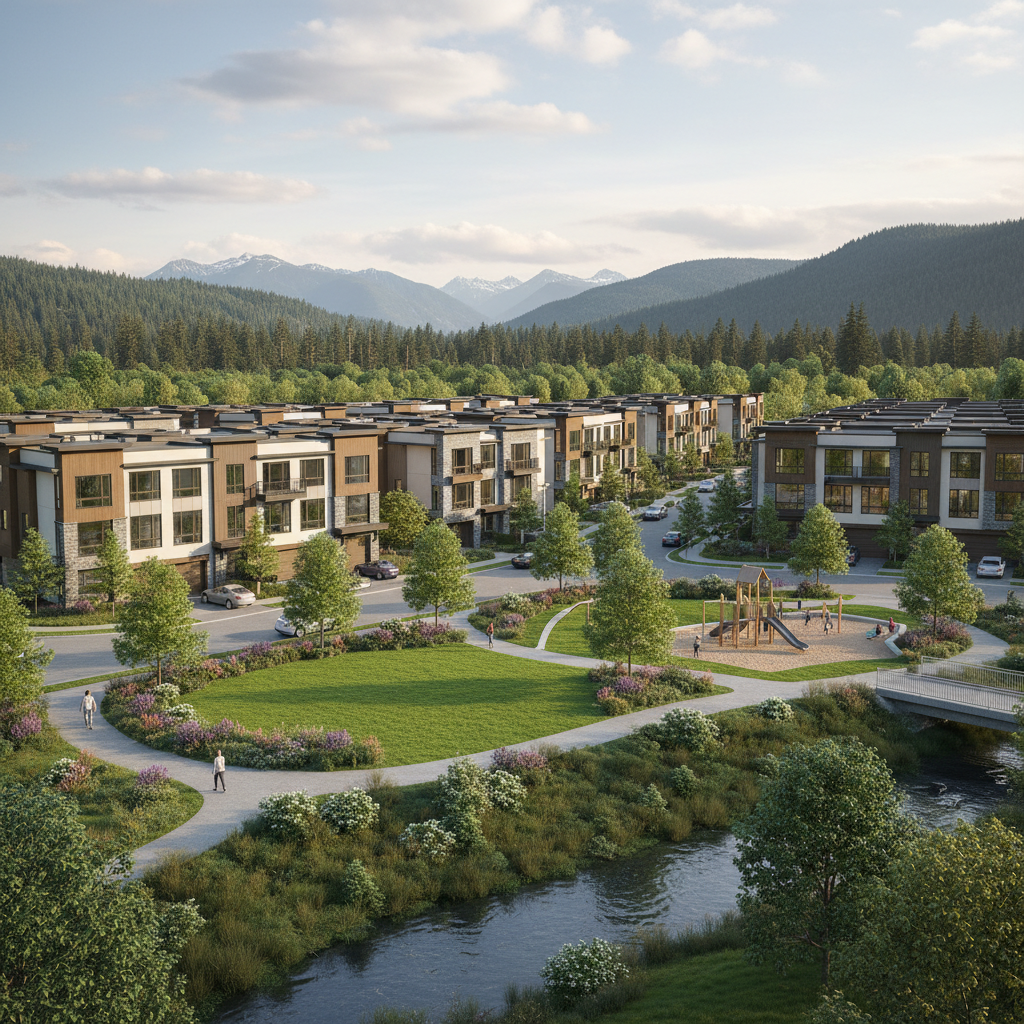
Markets like Kelowna, Kamloops, Courtenay, and Nanaimo are seeing renewed interest. Buyers are attracted by relative affordability, outdoor amenities, and transit expansion. Some first-time buyers report savings of 20–25% compared to Vancouver pricing. Developers are responding with new townhouse and small-condo projects tailored to remote workers and retirees.
Policy Intervention and Cooling Measures
The B.C. provincial government’s updated foreign buyer tax (now 40% on certain high-demand zones), speculation and vacancy taxes, and newly eased zoning for accessory dwelling units (laneway houses, garden suites) are reshaping inventory and demand. These measures aim to cool investor competition and usher in more sustainable ownership options.
Industry observers note that increased capacity for secondary suites is easing immigration-driven demand and helping diversify housing stock—particularly in inner suburbs like Surrey and Burnaby.
Rental Reforms Change Landlord Behavior
Major changes in tenancy law—such as longer notice periods, rent caps tied to inflation, and stricter eviction rules—have prompted many small landlords to reassess investment returns. A growing segment is pivoting toward purpose-built rentals in Kelowna or Nanaimo, where streamlined permitting and stronger yields offer more stability.
“Owners want predictability,” explains policy advisor Sofia Ruiz. “Multifamily builds in mid-sized cities feel safer than single-family flips in Vancouver.”
Urban Redevelopment Balances Demand and Density
Transit-oriented corridors are evolving. InMetro Vancouver, neighbourhoods like Broadway Avenue and the SkyTrain golden corridor are seeing low- to mid-rise redevelopment—units more attuned to downsizer and family demand, and aligned with transit access. In Kamloops, older commercial strips are being reimagined as walkable mixed-use nodes with affordable condo options.
These shifts reflect a more calibrated approach—moving away from skyscraper density toward pragmatic, walkable forms that respond to demographic realities.
Luxury and Recreational Markets Endure Constraints
High-end markets—such as Whistler and West Vancouver—continue to attract wealthy domestic and international buyers. But pricing gains have slowed, and holding costs (taxes, insurance, wave surge repairs) are weighing more heavily. Seasonal vacation properties are trading more cautiously, with fewer speculative flips and longer listing times.
Buyers are scrutinizing flood plans and microclimate risk more carefully—prompting some sellers to invest in seismic and resilience upgrades prior to listing.
Market Outlook: Gradual Stabilization, Not Collapse
In 2025, British Columbia is transitioning—not collapsing. While downtown Vancouver shows softer momentum, suburban and secondary markets exhibit resilience. Policymakers, developers, and buyers alike are responding to a more balanced mix of price moderation, regulatory reform, and evolving lifestyle preferences.
Experts anticipate modest growth or stabilization in cities like Kelowna and Courtenay, targeted urban redevelopment in Vancouver’s transit zones, and continued cooling in speculative high-end segments. Demand among remote-worker households and retirees may accelerate outward rather than cluster in coastal metros.