
- calendar_today August 8, 2025
After two sluggish years, resale markets in Vancouver and Victoria are expected to rebound in 2025. A modest improvement in buyer sentiment, spurred by lower borrowing costs and enhanced mortgage insurance caps, may lift transactions despite lingering economic uncertainty. Sales volumes are projected to climb modestly, though they are likely to remain well below the peaks seen in 2021 as affordability still acts as a brake on activity.
Average home prices across B.C. are forecast to remain largely flat in 2025, with modest median increases—around 1 percent provincially. The most expensive markets, like Metro Vancouver, may even see slight softening or marginal declines in resale values. As listings grow and buyer urgency cools, pricing is expected to settle into a more balanced territory after recent volatility.
Housing Supply Gains Ground Slowly
Listings and resale inventory in British Columbia are rising to levels unseen in over a decade. Active listings across the province are anticipated to average above 40,000 units in 2025, offering buyers more choices and negotiation leverage, especially in previously constrained urban cores. This reflects easing seller reluctance and developers relaunching delayed construction projects.
Construction Shifts Toward Rental and Mid-Density Units
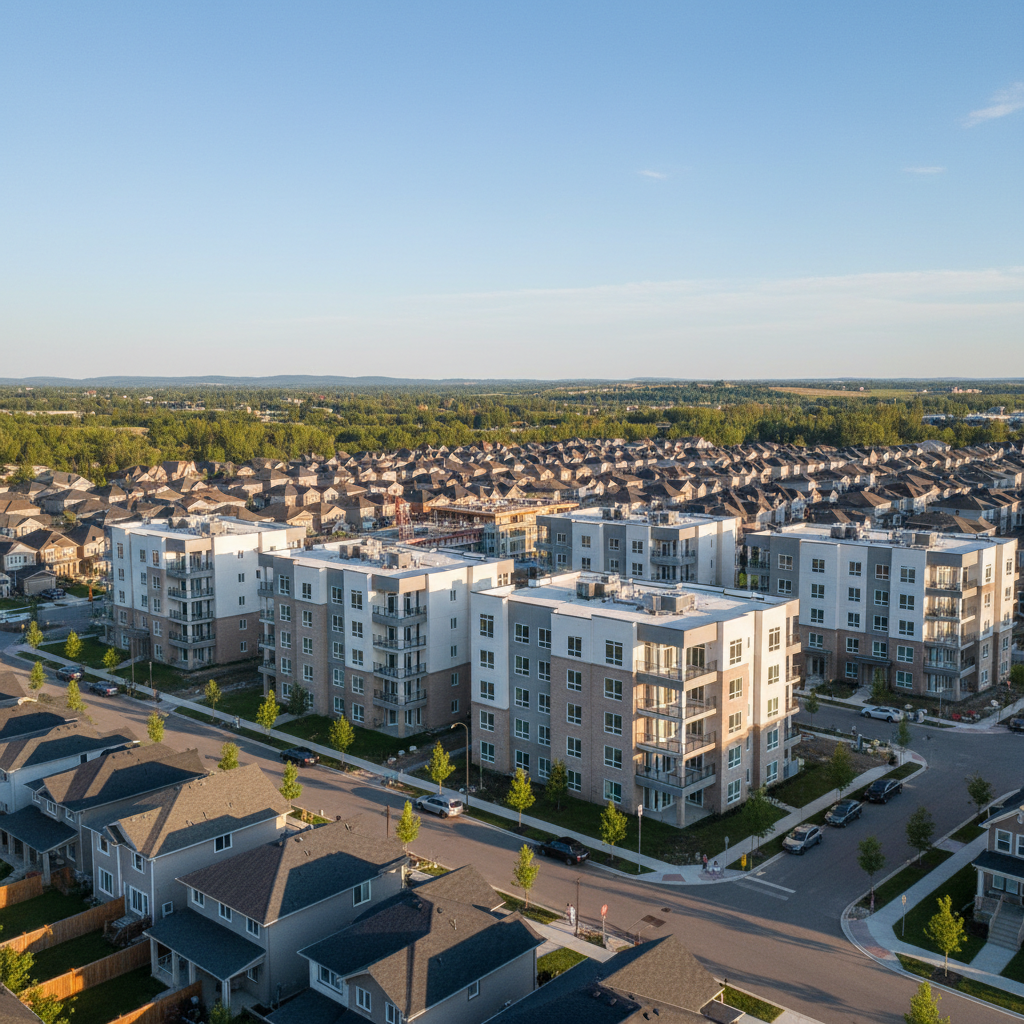
While single-family home construction remains sluggish due to development costs and land scarcity, multi-unit and rental-focused projects are gaining traction. Government incentives and rising investor interest—particularly in purpose-built mid-rise and missing-middle housing—are driving renewed activity, particularly in Metro Vancouver and Victoria. However, overall starts remain modest and growth is incremental.
Rental Market Sees Softening Amid Rising Vacancies
Rental conditions are shifting as a wave of new units enters the market. Vacancy rates are increasing modestly in urban centres as supply grows faster than demand, especially with slower immigration flows. While rents remain elevated, slower rent growth and increased tenant mobility are easing upward pressure. Regulation on short-term rentals has also returned more units to long-term inventory, improving availability.
Migration Patterns Diversify Demand
High housing costs in Metro Vancouver are prompting demand to spread across other parts of B.C., including Kelowna, Chilliwack, and Vancouver Island. Buyers are increasingly seeking affordability in secondary cities and coastal towns, while some former residents are relocating out-of-province in search of lower cost housing. Interprovincial migration is creating pockets of renewed activity in smaller urban centres across the province.
Policy and Affordability Generate Market Pressure
Provincial policy shifts—such as extending mortgage insurance limits and eliminating single-family zoning in urban communities—are reshaping supply dynamics. Meanwhile, affordability remains stretched: average home prices require a large proportion of median household incomes, particularly in Metro Vancouver. Speculation and vacancy taxes, rent increase caps (3 % annually in 2025), and government emphasis on missing-middle housing are key influences shaping buyer access and pricing dynamics.
Investor Activity Focuses on Rentals and Mixed Use
Investor strategies in 2025 lean toward stable rental properties and mixed-use conversions rather than speculative flipping. Major developments such as indigenous-led rental-focused communities and modular housing pilots reflect this shift. Many investors are now targeting suburban and lifestyle markets for long-term yields instead of chasing fast appreciation in dense urban core