
- calendar_today August 12, 2025
Vancouver Remains the Market Powerhouse
British Columbia’s real estate market in 2025 is still heavily influenced by Vancouver, Canada’s third-largest metro area. Despite cooling measures implemented by provincial authorities, Vancouver continues to see significant demand fueled by immigration, tech sector growth, and international investment.
The Real Estate Board of Greater Vancouver (REBGV) reported a 3.8% increase in home sales in February, with strong activity in suburbs like Surrey, Burnaby, and Richmond. However, high prices remain a barrier for many first-time buyers, driving continued interest in rental properties and build-to-rent (BTR) developments.
Build-to-Rent Communities Gain Traction
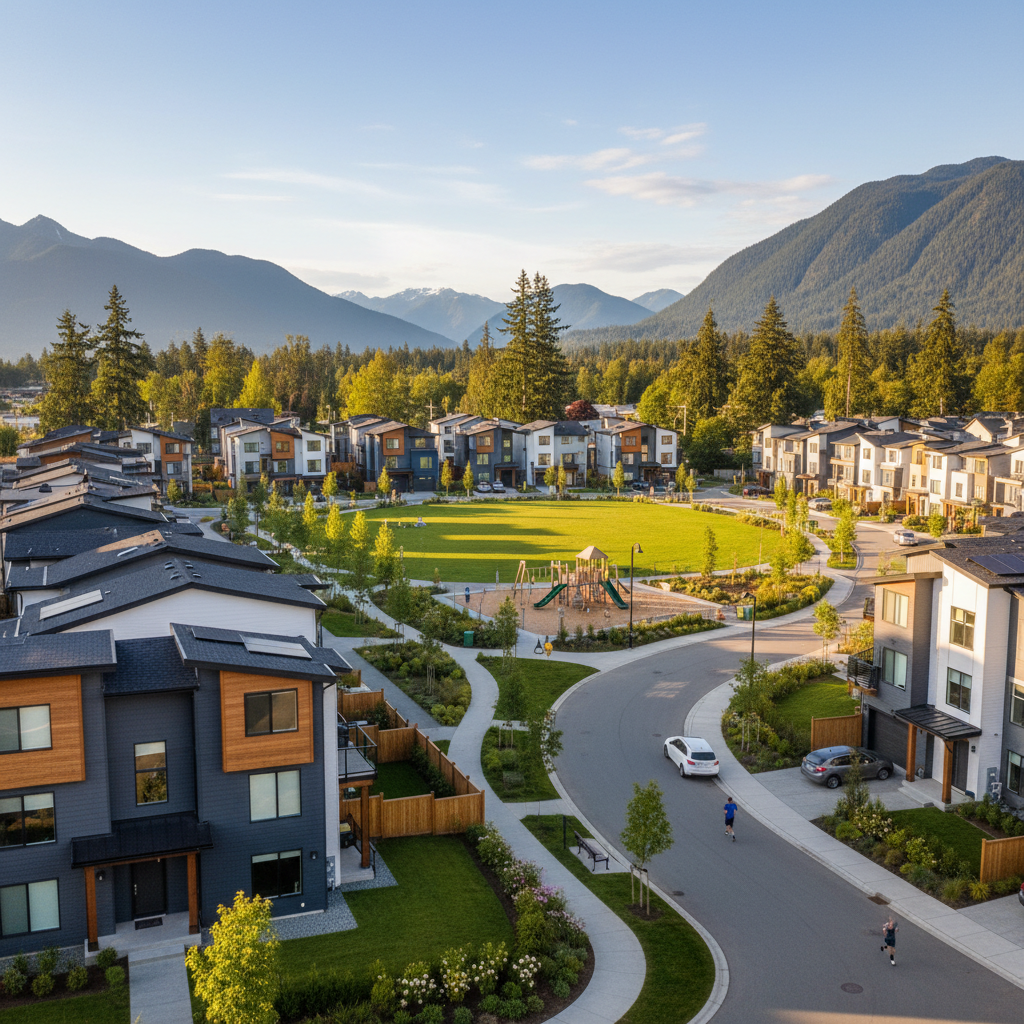
BTR projects are expanding in Vancouver and throughout British Columbia, targeting renters who prioritize flexible living arrangements and community amenities. New developments in Langley, Coquitlam, and North Vancouver offer modern rental homes designed to meet the needs of young professionals and families.
These developments attract institutional investors seeking long-term, stable rental income. Yardi Matrix notes British Columbia as one of the leading provinces for BTR unit growth in 2025.
Victoria and Other Secondary Markets Grow
While Vancouver dominates, cities like Victoria, Kelowna, and Kamloops are gaining attention from investors seeking more affordable options and lifestyle-oriented communities. Victoria’s steady demand is driven by retirees, government employees, and tech workers, while Kelowna’s growing wine industry and outdoor amenities attract diverse buyers.
In Kamloops, increased infrastructure investments and growing tourism support a rising real estate market with promising rental yields.
Mortgage Rates and Affordability Challenges
Mortgage rates remain near 6% in British Columbia, and inflation has eased to 2.8%, but affordability continues to challenge buyers, especially in Vancouver. High property prices and limited inventory push many toward rental housing and secondary markets.
The provincial government’s focus on affordable housing initiatives and stricter foreign buyer regulations aims to cool demand but also shapes investment strategies for 2025.
Commercial Real Estate Adapts to Market Shifts
Vancouver’s commercial sector is adapting as office vacancies remain elevated due to remote work trends. Suburban office parks and flex spaces are gaining interest, particularly near transit corridors and technology hubs like Burnaby and Richmond.
The industrial real estate market is robust, with growing demand for warehouse and distribution centers servicing the province’s expanding e-commerce and manufacturing sectors.
Retail spaces in Vancouver and other urban centers are evolving into mixed-use developments, blending residential, retail, and office spaces to meet changing consumer preferences.
REITs and Funds Provide Access to British Columbia Markets
Investors seeking passive exposure can utilize REITs and funds focused on British Columbia’s residential and industrial sectors. National funds like the Vanguard Real Estate ETF (VNQ) include holdings in the province, while local investment funds target build-to-rent communities and commercial developments.
What to Watch in British Columbia Through 2025
Key market influences include:
- Ongoing immigration and population growth in Greater Vancouver and Victoria
- Provincial affordable housing policies and foreign investment regulations
- Infrastructure improvements supporting suburban and secondary markets
- Environmental challenges, including wildfire risk and sustainable development priorities
For comprehensive updates on British Columbia real estate market trends and investment opportunities, subscribe to the BC Property Market Report.