
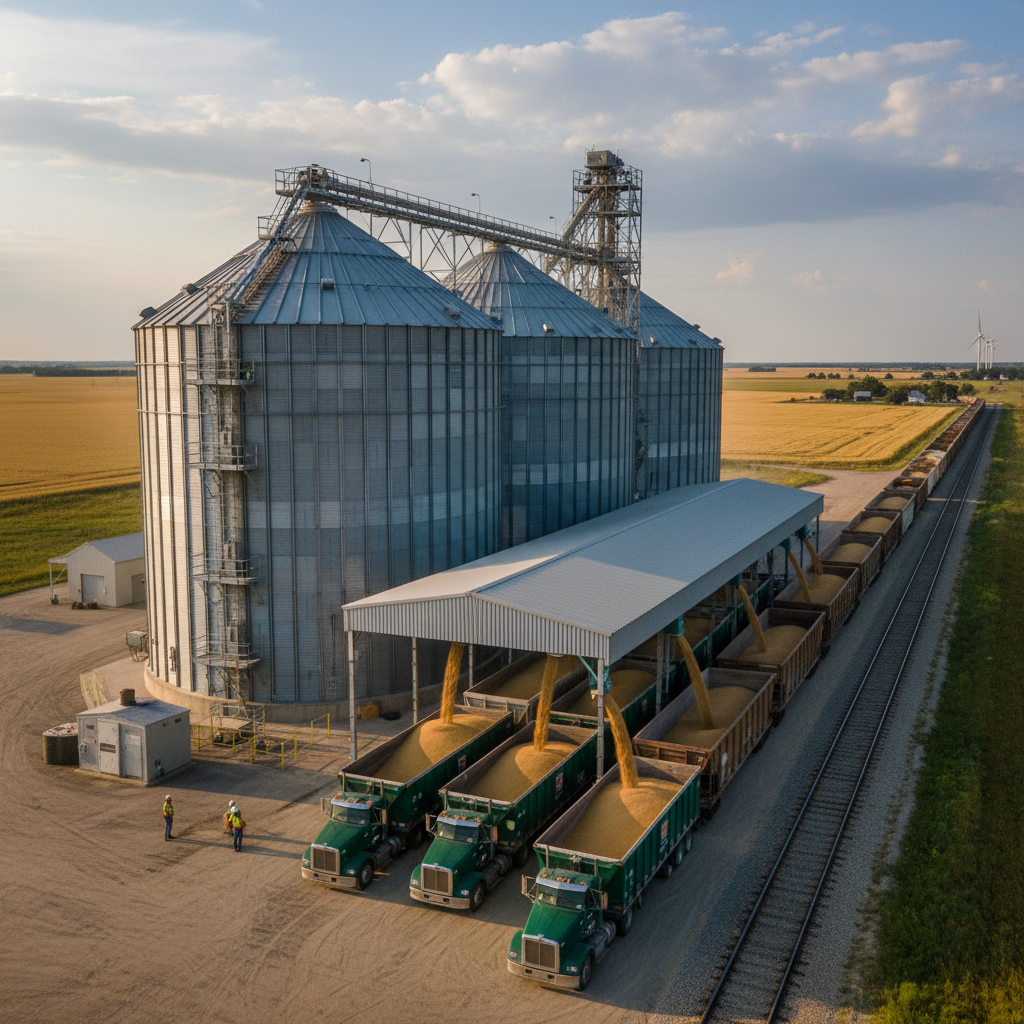
AI-generated illustration; not a photograph of the reported event.
- calendar_today May 18, 2026
The recent US-China trade agreement, following a summit between leaders of the two nations, marks a pivotal development for agricultural commerce impacting regions such as British Columbia and the wider Pacific Northwest. The accord, reached during a high-level trade summit between President Donald Trump and President Xi Jinping, will see China purchasing U.S. agricultural products, such as beef and poultry, at an estimated $17 billion annually from 2026 through 2028.
Revitalizing US Agricultural Exports
Central to the agreement is the restoration of market access for U.S. beef and poultry to China. This move offers a reprieve to American farmers and allied industries, which have faced significant challenges stemming from the ongoing trade war impact and high global fertilizer prices. Under the new terms, hundreds of U.S. beef processing facilities are projected to resume exports to China, giving fresh momentum to sectors hit by past restrictions.
British Columbia: Regional Implications
While the agreement is rooted in negotiations at the national level, its implications are anticipated to be felt in British Columbia. Local communities that rely on agriculture and related supply chains could benefit from improved demand for American agricultural goods, particularly as China beef imports and China poultry imports increase. British Columbia producers frequently interact with cross-border partners, and enhanced agricultural trade could bolster related industries, transportation, and local markets.
Supporting the Soybean Sector
Soybean farmers have been among those most affected by previous restrictions, as US soybean exports dropped sharply during the peak of trade disputes. The deal not only highlights renewed Chinese interest in these exports but further signals stability for growers. For Western Canadian stakeholders monitoring the ripple effects of trade negotiations, these changes promise more reliable market conditions and potentially increased demand for feed or processing facilities in the region.
Overcoming Trade Barriers and Seeking Tariff Reductions
China’s Ministry of Commerce emphasized ongoing efforts to eliminate non-tariff barriers while also addressing tariff reductions. According to official statements, future negotiations may tackle outstanding issues that have limited two-way commerce, including tariffs and regulatory impediments. British Columbia exporters, particularly those operating in sectors like beef and poultry, are watching these developments closely, as improved trade cooperation could translate to fresh opportunities for cross-border commerce.
Establishing Boards of Trade and Investment
Both national governments have agreed to establish dedicated Boards of Trade and Investment, aiming to closely manage evolving trade relations and proactively address new market access challenges. The boards are expected to facilitate ongoing dialogue around agricultural trade, investment, and regulatory frameworks, further smoothing the way for exporters from British Columbia and throughout North America.
Looking Ahead for Regional Agriculture
While the specific purchase volumes for beef and poultry remain to be revealed, the outlook for U.S. agricultural exports is increasingly positive. The renewed access to Chinese markets for beef and poultry supports a diverse agricultural economy that spans beyond the U.S., often benefiting supporting regions like British Columbia through collaborative logistics and expanded markets. Stakeholders across the region will be monitoring the practical outcomes of this agreement as trade cooperation between the world’s two largest economies continues to evolve.