
AI-generated illustration; not a photograph of the reported event.
- calendar_today November 6, 2026
B.C. Stays on Permanent Daylight Time
For the first time in decades, British Columbians did not change their clocks on November 1, following the province’s adoption of permanent daylight saving time. This change means Vancouver and Seattle, usually in the same time zone, are now an hour apart. The shift brings new logistical challenges for cross-border activities, according to experts and business leaders.
Expert Warns of Cross-Border Complications
Lauri Trautman, director of the Border Policy Research Institute at Western Washington University and a resident of Bellingham, Washington, said the time difference could create confusion for people and organizations with ties on both sides of the border. Trautman noted that it would have been easier for the region if British Columbia and Washington state had switched to permanent daylight time together.
“It requires us to be a little bit more intentional, which in some ways could be good because I think we need to be a little bit more intentional these days about our cross-border connectivity,” Trautman said. “We're sort of losing some of it, so we have to work harder to maintain it now.”
Impact on Border Crossings and Coordination
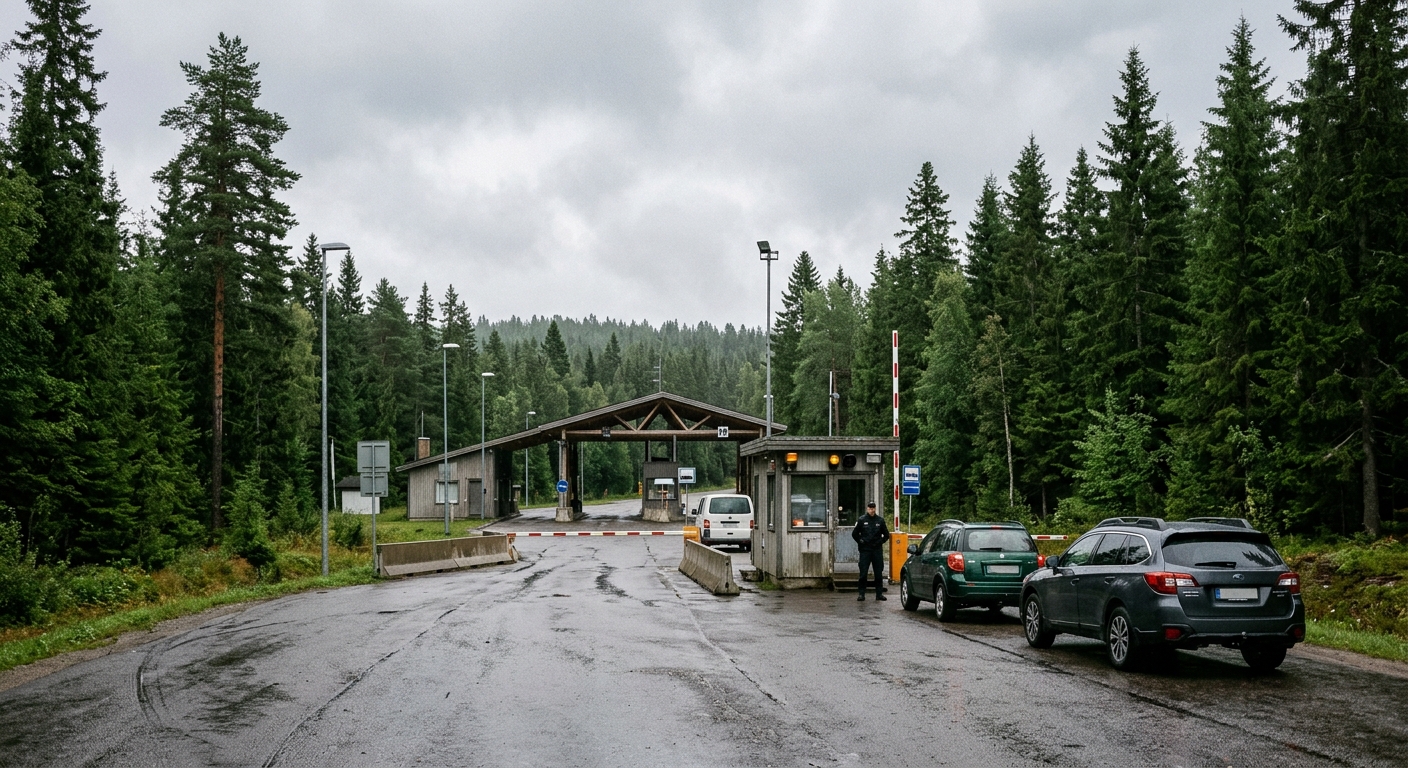
The Canada Border Services Agency (CBSA) has adapted by seasonally adjusting opening and closing times at nine land ports of entry in British Columbia. This measure is intended to align with neighboring U.S. customs offices and enable smoother coordination between the two countries. Trautman highlighted that data on border wait times and crossing numbers may become more complicated to share effectively, given the new time zone difference.
Business Community Expresses Mixed Reactions
Julie Sperber, the new CEO of the Greater Nanaimo Chamber of Commerce, said there are concerns within the business community about how the time change might affect operations and communication with partners in Washington state. While some at the recent Canadian Chamber of Commerce conference in Victoria voiced these concerns, Sperber noted the impact on local businesses remains uncertain. She suggested later sunsets might encourage more evening activity, while darker mornings could negatively affect workers in resource industries who start their days early.
“I think there's both opportunities and challenges,” Sperber observed.
Ports and Maritime Industry Adapt Smoothly
The Port of Nanaimo reported minimal disruption from the new schedule, with port stakeholders proactively coordinating to minimize confusion. Kimberly Kelly, a spokesperson for the Port, stated, “Vessels crossing the Pacific routinely experience multiple time changes, while cargo owners, vessel operators, charters and other partners co-ordinate activities around the world. The maritime industry is well-accustomed to managing these differences as part of day-to-day operations.”
Looking Ahead: Potential for Regional Change
While Washington state has shown interest in moving to permanent daylight time, any such decision would require U.S. federal authorization. Trautman believes that officials will closely observe British Columbia’s experience before pursuing permanent change. In the meantime, she emphasized that day-to-day impacts would most affect residents managing border crossings, virtual meetings, and other cross-border relationships. "Those of us who are aware of this, we're sort of building in that extra adjustment, but there are some systems that haven't yet caught up to the fact that we are now on different time," she said.
Related coverage
Source: cbc.ca.