
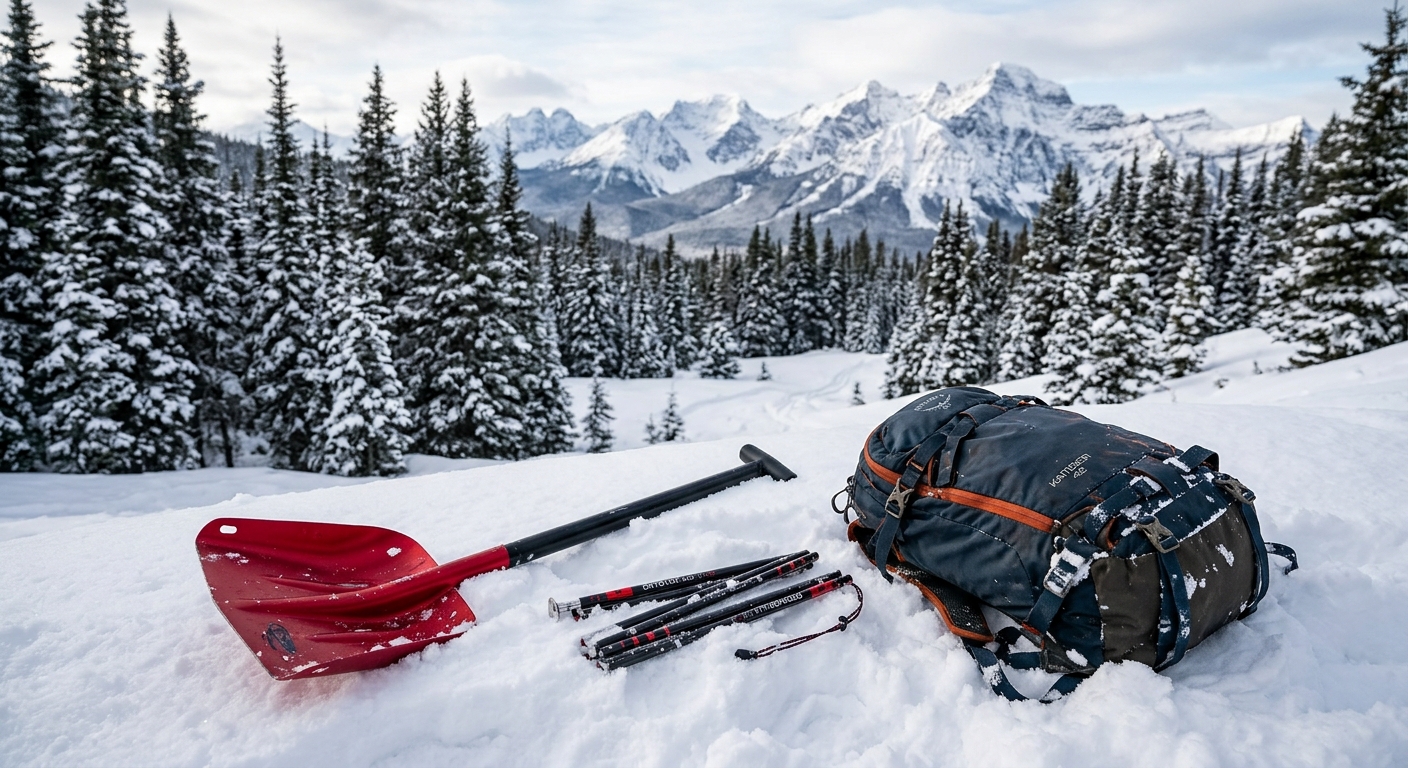
AI-generated illustration; not a photograph of the reported event.
- calendar_today November 7, 2026
Early Warnings for Backcountry Enthusiasts
As autumn transitions to winter and fresh snow falls over British Columbia's mountainous terrain, avalanche forecasters are cautioning backcountry users about the heightened avalanche risk this season. Experts say that, although it is still early, some regions already show potential hazards, emphasizing the need for preparation among skiers, snowboarders, and winter adventurers.
Rising Avalanche Fatalities Prompt Concern
According to Avalanche Canada, nine people died in avalanches in B.C. last winter between December 30 and April 14—a notable rise compared to six fatalities during the same period the year before. This increase spotlights the importance of early awareness and proactive safety measures as the winter season begins.
Conditions Conducive to Avalanches Already Present
Jan Neuspiel of Island Alpine Guides explained that the combination of recent snow and wind has created environments where avalanche hazards already exist in certain areas. “So if people are going out into the mountains to recreate, they need to be aware of that and be prepared for that,” Neuspiel advised.
Daily Avalanche Forecasts Set to Begin Soon
Avalanche Canada field technician and forecaster Colin Garritty noted that daily snowpack and avalanche risk forecasts for B.C. will commence on November 25. Until then, Garritty urged backcountry enthusiasts to adopt an “assessment mindset.” This approach involves thoroughly evaluating conditions and avoiding exposure to dangerous terrain, particularly steep slopes, to mitigate the risk and prevent possible damage to gear on rocks.
Recommended Preparations and Training
Experts recommend taking time at the beginning of the season to check and prepare avalanche safety gear, such as transceivers (with fresh batteries), probes, and shovels. Garritty highlighted the need for practicing companion rescue techniques and familiarizing oneself with avalanche terminology, terrain types, and snowpack conditions. These resources are available on Avalanche Canada’s website.
Essential Equipment and Education
The use of an avalanche transceiver, probe, and shovel is strongly advised, as these tools can help locate and rescue someone buried in an avalanche. Additionally, Neuspiel stressed the importance of bringing warm, waterproof, and windproof clothing, high-calorie food, sufficient hydration, and reliable navigation aids such as a paper map or compass as a backup to electronic devices.
Importance of Avalanche Courses
Neuspiel emphasized that anyone planning to travel into potentially hazardous mountain environments should take an avalanche course. “You need to have a means of surviving,” he noted, pointing out that preparation and education can make a crucial difference in emergencies.
For more information, including avalanche forecasts and safety tips, visit Avalanche Canada’s website.
Source: cbc.ca.