
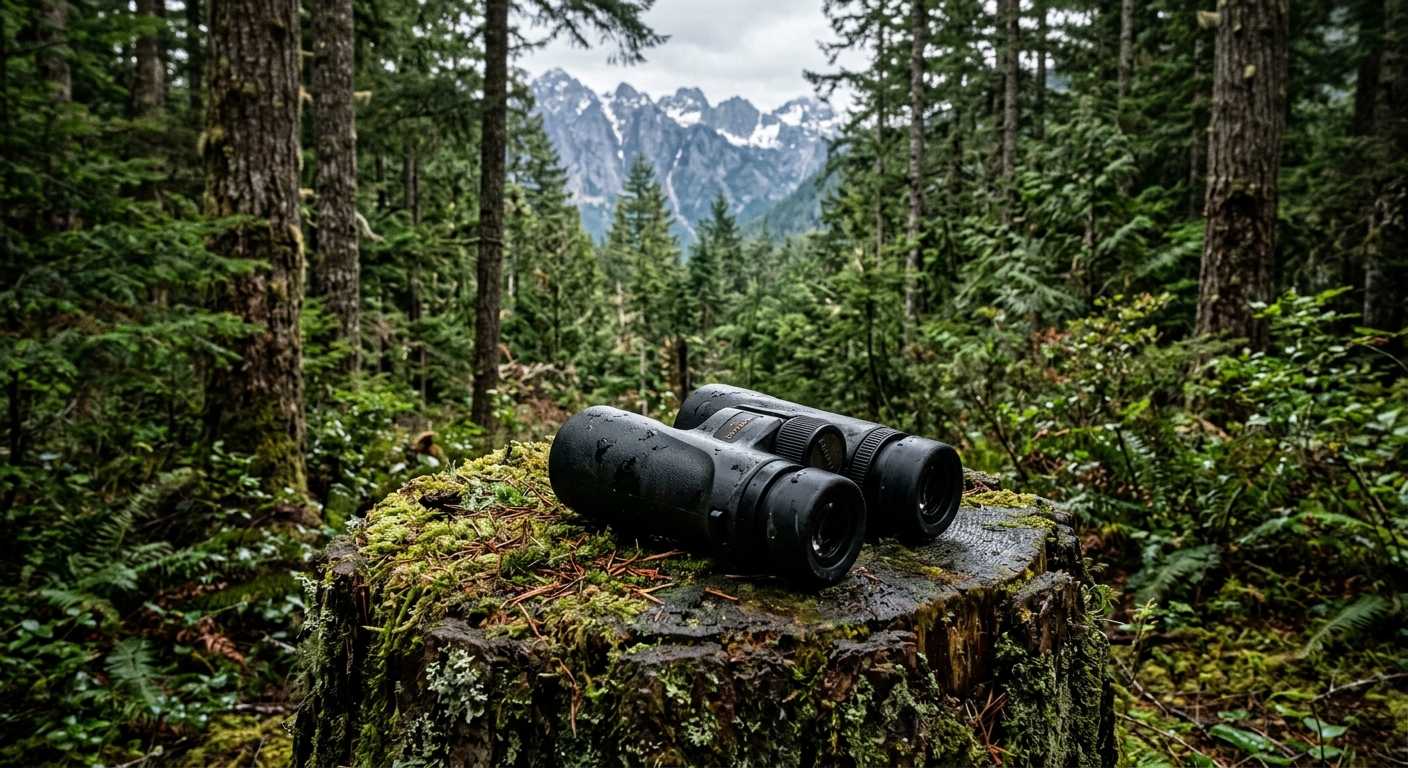
AI-generated illustration; not a photograph of the reported event.
- calendar_today November 17, 2026
Alarming Rise in Poaching and Unlawful Hunting in East Kootenay
The Yaq̓it ʔa·knuqⱡi’it First Nation has issued a public call for respect toward wildlife and the observance of proper hunting practices after a marked increase in suspected poaching and unlawful hunting around its reserve in the East Kootenay region this fall.
Discovery of Abandoned Carcasses Sparks Concern
According to Tyler Phillips, director of lands and resources for the Yaq̓it ʔa·knuqⱡi’it First Nation, nine cases of completely abandoned elk and deer carcasses have been found on the nation’s reserve during this hunting season. The Guardian Team, which patrols the area for environmental violations, uncovered these remains—many of which were left seemingly because the animals did not meet hunting tag size requirements.
“I'm quite concerned at the amount of animals that have been left without the meat actually being utilized,” Phillips stated, emphasizing the waste and disregard for wildlife.
Hunting Rules on Yaq̓it ʔa·knuqⱡi’it Reserve Lands
Hunting within Yaq̓it ʔa·knuqⱡi’it reserve lands is strictly limited to Nation members unless explicit permission is granted. However, Phillips reported that some recent trespassers accessing the reservation were not members and were hunting unlawfully. This not only violates local rules but contributes to ongoing conservation challenges in the region.
Impacts of Improper Carcass Disposal and Disease Risks
In addition to abandoned carcasses, the Guardian Team found numerous discarded animal parts near the reserve. Such improper disposal is especially concerning in the East Kootenay chronic wasting disease-control zone. Phillips explained that leaving behind deer and elk heads prevents mandatory disease testing and could potentiate the spread of chronic wasting disease among wildlife populations.
To address these escalating issues, the Guardian Team has expanded its patrol area to monitor for hunters, poachers, and environmental infractions.
Collaboration with Conservation Agencies
The Yaq̓it ʔa·knuqⱡi’it First Nation is working collaboratively with the B.C. Conservation Officer Service (BCCOS) and the B.C. Wildlife Federation to apprehend and charge those involved in illegal hunting and poaching. Jesse Zeman, executive director at the B.C. Wildlife Federation, described the recent offences as illegal actions performed by individuals who disregard wildlife and established game laws. Zeman noted that penalties for convictions can include fines, loss of license, or incarceration. The B.C. Wildlife Federation offers up to $2,000 in rewards for information that leads to convictions of poachers or unlawful hunters.
Calls for Responsible and Lawful Hunting
Phillips appealed to hunters to comply with provincial regulations, practice ethical harvesting, and for the broader public to report any suspicious activity related to wildlife and hunting. “I'd like to urge all hunters to follow the regulations that are laid out by the province and to engage in respectful harvesting of the animals within this area. And for the public to report anybody that they see doing anything that seems to be outside of the law,” said Phillips.
The Yaq̓it ʔa·knuqⱡi’it First Nation’s message underscores the importance of ethical hunting practices, adherence to game laws, and communal efforts in wildlife conservation and environmental protection within the East Kootenay.
Related coverage
Source: cbc.ca.