
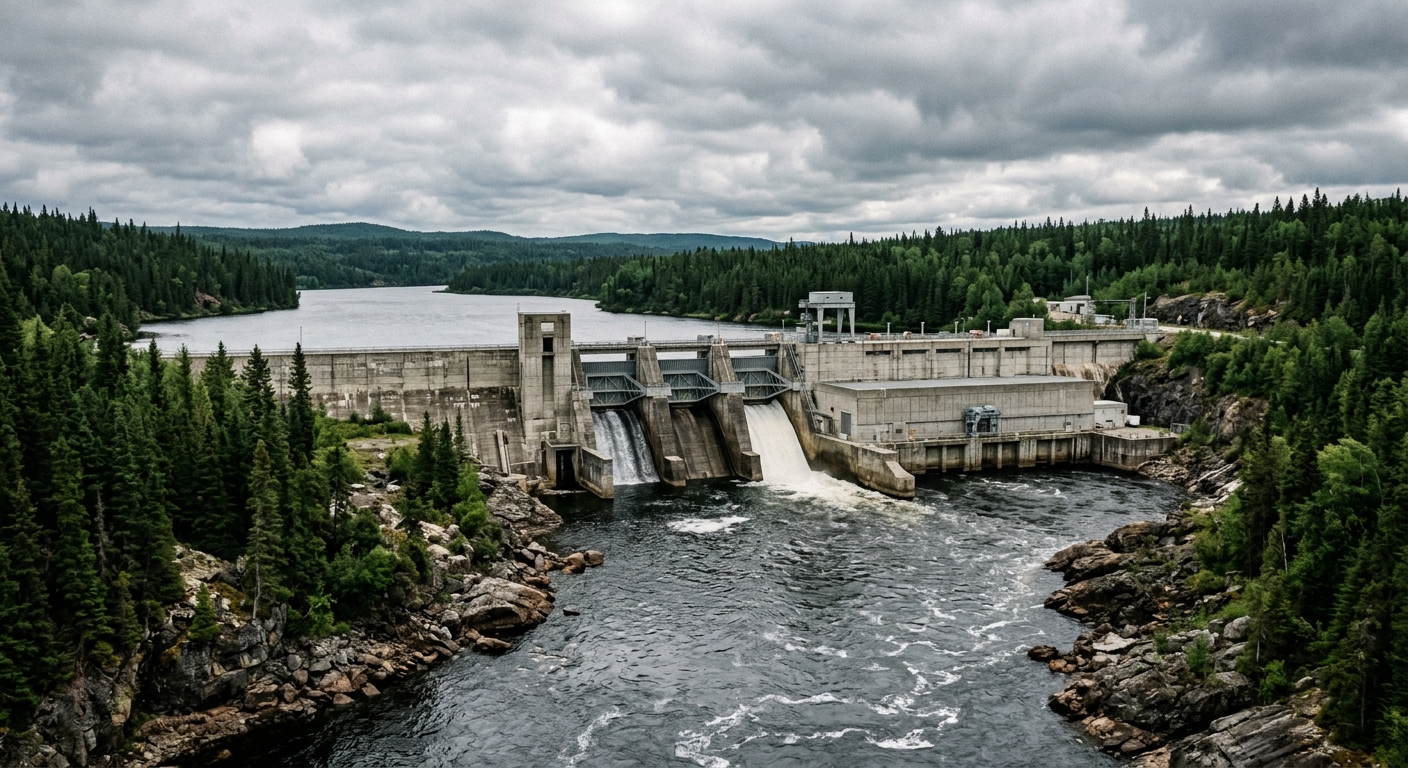
AI-generated illustration; not a photograph of the reported event.
- calendar_today November 10, 2026
Athabasca Chipewyan First Nation Files Lawsuit in B.C. Supreme Court
The Athabasca Chipewyan First Nation, based in Alberta, has initiated legal action against the governments of British Columbia and Canada, as well as B.C. Hydro, over several hydroelectric projects in British Columbia. Chief Allan Adam filed the notice of civil claim last week in B.C. Supreme Court, asserting the developments have unlawfully interfered with the First Nation’s treaty rights since the 1960s.
Treaty Rights Allegedly Overlooked Since the 1960s
The First Nation claims its treaty rights have been violated starting with the construction of the W.A.C. Bennett Dam. According to the lawsuit, projects like the Bennett Dam were established without consideration for the rights, culture, and traditional way of life of the Athabasca Chipewyan people. The notice of claim specifically raises concerns about "potential downstream impacts in Alberta" that were not communicated to the First Nation when the dam was built.
Focus on More Recent Projects: Site C (John Horgan Dam)
The legal filing also targets the recently completed John Horgan Dam, formerly known as Site C. The lawsuit alleges that this project, along with earlier ones, has had "measurable impacts" on waterflows in the Peace-Athabasca Delta, a region considered central to the First Nation’s territory. Despite reassurances from B.C. Hydro, the First Nation alleges hydroelectric operations have affected the ecological balance of the delta.
Environmental and Cultural Impacts on the Peace-Athabasca Delta
The Athabasca Chipewyan First Nation asserts the hydroelectric projects have harmed wildlife, fish, and vegetation within the Peace-Athabasca Delta. The lawsuit claims these changes have reduced hunting, trapping, fishing, and gathering opportunities that are integral to the community’s way of life. The loss of these traditional activities forms a central grievance in the civil claim.
Allegations Not Yet Tested in Court
As of now, the governments of British Columbia and Canada, along with B.C. Hydro, have not filed responses to the lawsuit. The allegations made by the Athabasca Chipewyan First Nation remain untested in court and none have been proven at this stage.
Source: cbc.ca.