
- calendar_today August 24, 2025
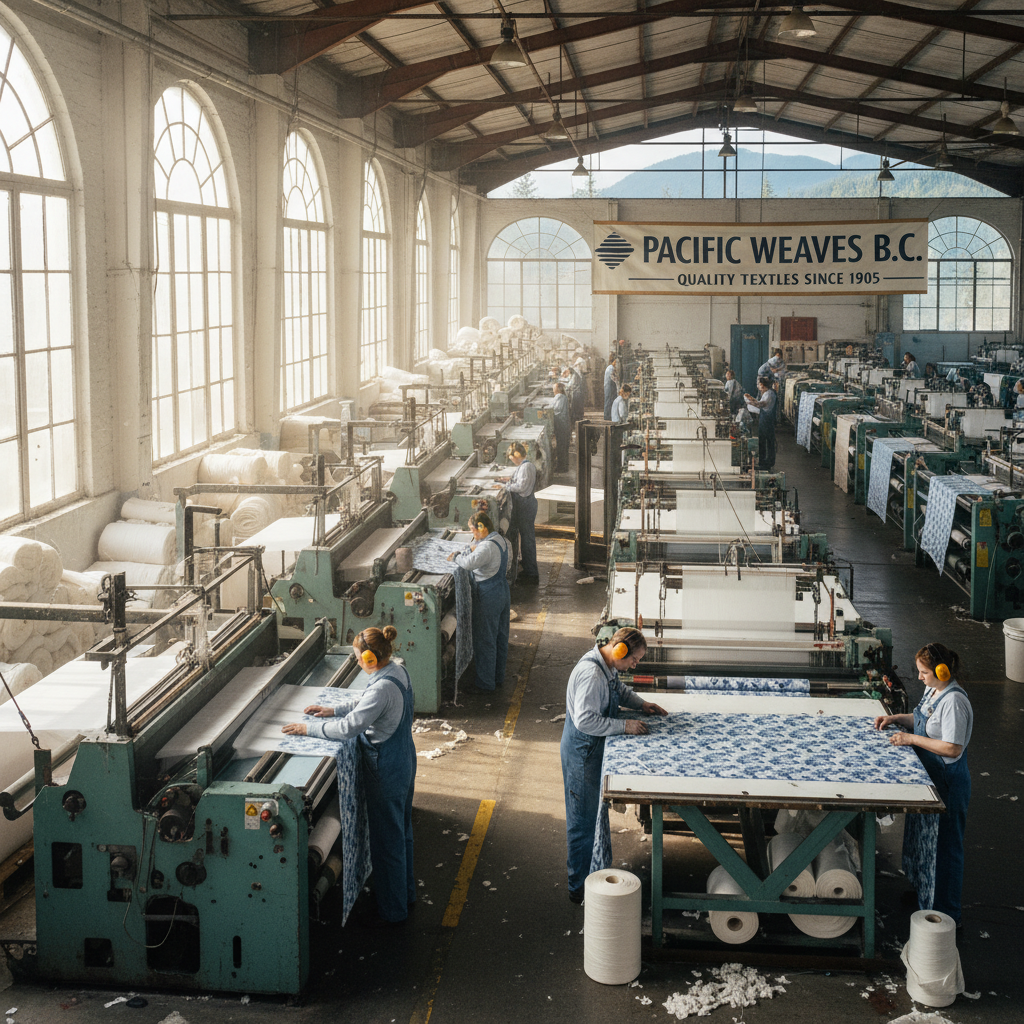
In 2025, the economy of British Columbia is experiencing the effects of a decline in global cotton production. Although the province does not grow cotton, it greatly contributes to regional companies that rely on cotton products. Ranging from clothing labels to textile mills and retail stores, most now find themselves dealing with elevated expenses and un certainty in trade.
The increasing concern is not only about decreasing cotton supply but also about trade programs that render importing cotton products cheaper. If these programs are altered or scrapped, British Columbia businesses may be even more challenged in the months to come.
Why Cotton Matters in British Columbia
British Columbia, particularly urban areas such as Vancouver, Burnaby, and Richmond, is dominated by textile firms, fashion retailers, and manufacturing firms. These firms use a lot of cotton in producing garments, bed sheets, towels, and numerous other household commodities.
Cotton is not produced in Canada and thus has to be brought from nations such as India, Pakistan, the U.S., and Bangladesh. For decades now, trade deals including the Generalized System of Preferences Plus (GSP+) have enabled Canadian companies to bring cotton products at reduced tariffs or even for free from developing countries.
This system has maintained prices of products reasonable and stood by local businesses. But with global cotton production declining and potential shifts in trade arrangements in the making, B.C. companies are bracing for a bumpy ride.
Why Is There a Cotton Shortage?
Production of cotton is being affected by a combination of climatic problems, increased expenses, and reduced yields from crops. Major cotton-producing nations are facing increased temperatures, irregular rains, and soil problems that decrease the quantity of cotton harvested.
Consequently, raw cotton supply is dwindling whereas demand is still strong. Textile mills and clothing companies in British Columbia are currently having to pay more for cotton inputs and frequently experiencing delays in getting shipments.
“Prices have jumped sharply in the last several months,” a Vancouver-based small garment maker complains. “It’s getting harder to remain competitive, particularly with our bigger competitors.”
Trade Worries Add to the Pressure
In addition to the cotton shortage, B.C. businesses are also monitoring events in world trade with increasing anxiety. If nations currently receiving GSP+ status lose that advantage, it could result in increased taxes on imports of cotton.
Such a shift would most impact businesses that rely on cheap imports. Apparel businesses would need to increase prices, cut production, or use inferior materials—neither of which are desirable choices.
Even big chain stores are concerned. “Our supply chains are already stretched,” says a Vancouver-based retail chain manager. “If benefits of trade evaporate, we might have to look for new suppliers or reduce some product lines.”
Impact on Local Businesses and Workers
British Columbia’s clothing and textile industry consists of several hundred small and medium-sized businesses. Most of them operate on slim profit margins. Increased cotton prices and trade uncertainty may drive some businesses to lay off employees, reduce production, or even shut down.
It not only impacts factory employees but also designers, marketers, salespeople, and transport businesses. The entire supply chain may be impacted.
Local retailers will also suffer from shortages or postponed product deliveries, particularly for seasonal lines of clothing. This would damage sales and lower consumer options.
Consumers Will Also Notice the Difference
The typical consumer in B.C. will soon have to pay more for cotton items such as clothing, towels, and bedding. Some products would also be less accessible as a result of delayed imports or switches in suppliers.
Households attempting to save for back-to-school or holiday purchases might be hardest hit. Cotton-based everyday items might no longer be as cheap as they used to be.
How Companies Are Reacting
Certain companies are already looking into substitutes for cotton, including bamboo, hemp, and man-made fibers. Others are attempting to reduce their supply chains or source from more stable locations, even though it will be more expensive.
Along with this, certain firms are attempting to streamline their functions through technology to monitor cargo, minimize waste, and control inventory more effectively.
Business associations in B.C. also urge the government to defend current trade advantages and aid local industries amidst the volatility period.
What’s Next for British Columbia?
Next year will be telling. Unless cotton production increases and trade schemes such as GSP+ are diluted or eliminated, further companies will come under economic pressure. Alternatively, those innovative enough and able to adapt will discover fresh means of survival and expansion.
British Columbia has never lacked talented entrepreneurs and visionary businesses. With careful planning and the proper support, the province’s textile sector can remain resilient—despite international cotton shortages and trade threats.
Conclusion
British Columbia’s economy, especially in the textile and retail sectors, is facing serious concerns in 2025. Falling cotton production and uncertainty around trade benefits are making it harder for local businesses to operate smoothly. While the challenges are real, so are the opportunities for innovation and growth. The coming months will reveal how well B.C. businesses can adapt and keep moving forward.