- calendar_today June 3, 2026
Ford Motor Company has initiated a major ford recall impacting vehicle owners throughout British Columbia, highlighting new safety concerns in some of the automaker’s most popular models. The action, which affects almost 420,000 vehicles across North America, is part of an ongoing commitment to public safety following the detection of a potentially dangerous seat belt issue and additional suspension system defects.
Widespread Impact Across Ford and Lincoln Models
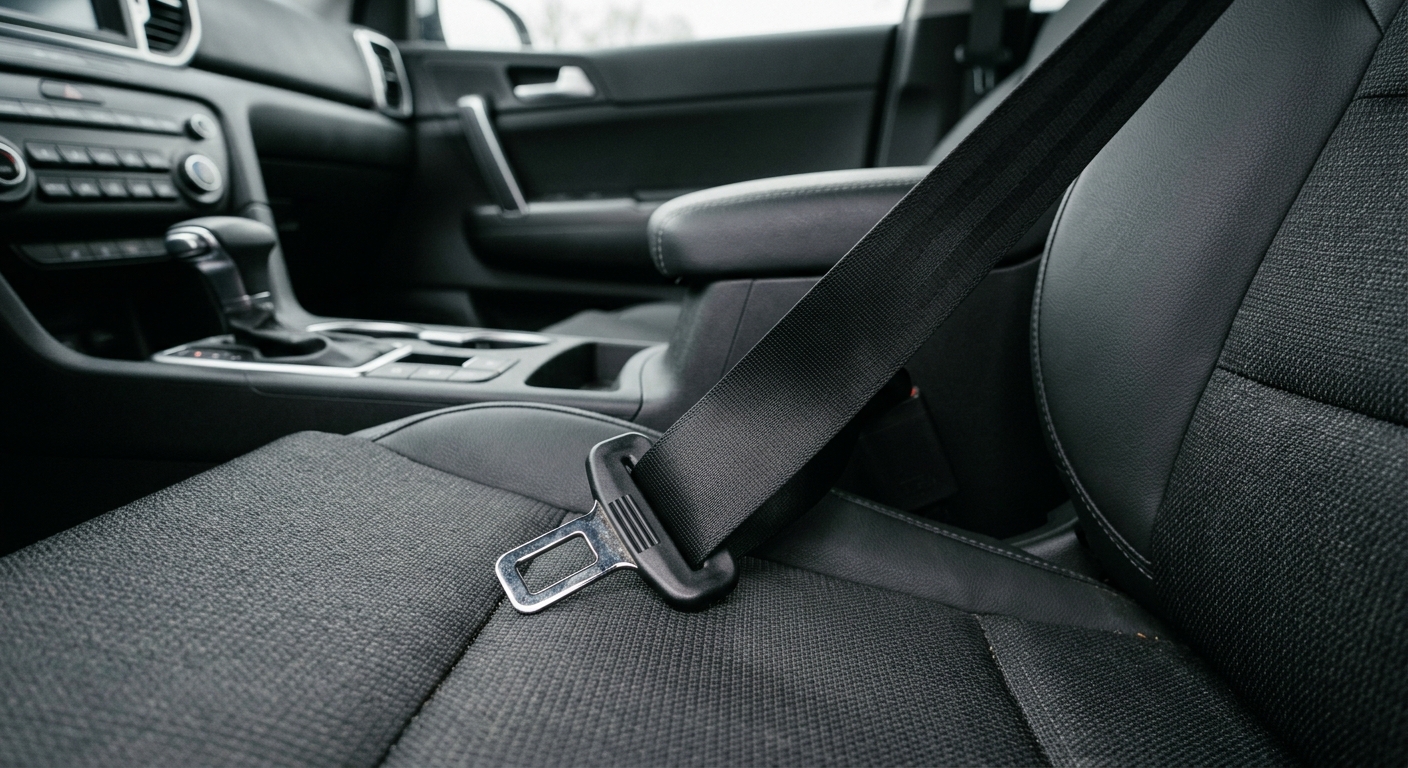
The large-scale vehicle safety recall covers specific 2018–2022 Ford Expedition and Lincoln Navigator models, two staples often seen on roads throughout British Columbia. According to Ford representatives, certain vehicles may contain seat belt retractors that do not function as intended. The defect can cause seat belts to lock without warning, or conversely, fail to retract and extend properly. Such malfunctions sharply increase the risk of injury during a collision, as proper seat belt adjustment is critical to passenger safety.
Documented Incidents and Company Response
Ford has acknowledged receiving two warranty claims, two field reports, and one injury that may be linked to the seat belt malfunction. The company has stressed that, despite the relatively small number of incidents, the volume of affected vehicles and the gravity of the seat belt issue prompted swift action. Impacted owners will soon receive notifications by mail, enabling them to book appointments with regional authorized dealers. Inspection and repair of front seat belt retractor systems will be carried out free of charge, as Ford hopes to mitigate further risks.
Additional Do-Not-Drive Orders for Select Models
In a separate but related announcement, Ford issued a critical do-not-drive warning for approximately 4,600 vehicles, including the 2021–2026 Bronco Sport and the 2022–2026 Maverick. This development is particularly relevant for British Columbia drivers who own these newer models. The bronco sport recall and maverick recall were triggered by concerns over control arm defects in the front suspension. Specifically, some vehicles may have front lower control arm ball joints that were improperly installed or serviced, heightening the possibility of a sudden loss of steering control if the ball joint disconnects—a scenario with severe crash implications.
Inspection Process for Suspension Problems
The front suspension problem affects only a limited batch of recent model years, but the safety stakes are high. Ford dealers in British Columbia have received technical guidance to conduct thorough inspections and perform necessary repairs on the suspension assemblies, all covered by the automaker. The company urges affected owners to avoid driving their vehicles until repairs are completed. For drivers unsure if their vehicle is at risk, Ford’s customer service teams and the National Highway Traffic Safety Administration (NHTSA) (nhtsa recall) provide direct support and up-to-date information.
Ford’s Ongoing Safety Monitoring and Community Outreach
These recalls represent the latest in a series of Ford’s efforts to correct manufacturing defects before they lead to further injuries or accidents. British Columbia’s robust network of Ford and Lincoln dealers is prepared to execute the manufacturer’s repair protocols, while local automotive associations have urged owners to respond promptly to recall notices for the benefit of public safety.
Implications for Affected Owners
Both the ford expedition recall and lincoln navigator recall highlight the manufacturer’s intent to address even isolated safety threats rapidly. Ford’s transparency in reporting known injuries and field reports has been welcomed by consumer advocates in British Columbia, who note that continual updates from automakers shape community perceptions of automotive safety and responsibility.
Staying Informed and Taking Action
Residents impacted by the ford recall are encouraged to check with their local dealerships or to consult the NHTSA website. Both English and French-language resources are available in British Columbia, reflecting the region’s commitment to inclusive safety communications. Timely compliance with recall instructions remains the most effective way for owners to protect themselves, their families, and others on the road. As regional institutions work with Ford to resolve the recall efficiently, the priority remains ensuring every journey in British Columbia is as safe as possible.