
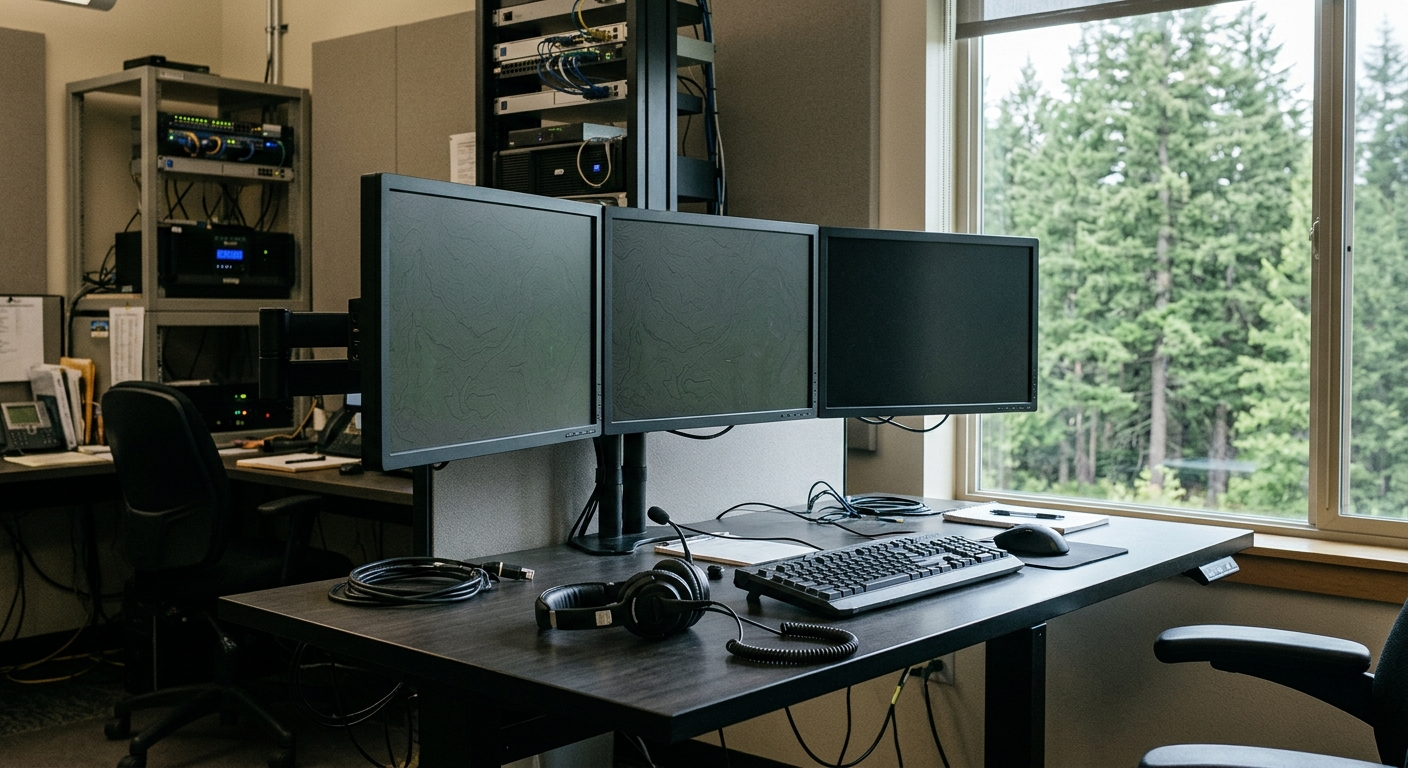
AI-generated illustration; not a photograph of the reported event.
- calendar_today October 28, 2026
Introduction: A Major Shift for 911 Services in British Columbia
British Columbia has begun the rollout of a new emergency communication system known as Next Generation 911, replacing aging analog infrastructure with a digital network. This change, part of a nationwide mandate by the Canadian Radio-television and Telecommunications Commission (CRTC), is expected to improve the speed, efficiency, and reliability of emergency services for millions of callers each year.
Why the Switch to a Digital 911 System?
The CRTC's decision to move to a digital 911 system aims to ensure faster and more accessible communication during emergencies across Canada. According to Nancy Blair, interim president and CEO of E-Comm 911, the new system represents a critical first step toward modernizing how emergency calls are handled. The transition comes as E-Comm 911 answers over two million calls in British Columbia annually, with about 97 percent of them picked up in five seconds or less — a performance level sustained for the past five years.
What Changes Can Callers Expect?
For the majority of callers, the experience of dialing 911 will remain very similar for now. When a call is made, E-Comm 911 staff will continue to direct callers to the appropriate police, fire, or ambulance response unit. However, one immediate change involves call confirmation: accidental or 'pocket dial' 911 calls will prompt a call back from dispatchers. Instead of the familiar 911 number, this callback will appear as a standard 10-digit phone number to help confirm whether help is needed.
New Features on the Horizon
While the digital system is already being implemented, additional advanced features will arrive over time. Nancy Blair shared that future capabilities will include 911 texting, enabling real-time text communication with emergency operators so dispatchers can see each character as it's typed. This upgrade is expected within a year or two.
The RCMP has also noted that callers will eventually be able to send live video streaming to 911 operators, giving first responders a direct visual of ongoing situations. Enhanced location tracking is another anticipated benefit, allowing emergency staff to pinpoint precisely where a caller is, such as the floor of a high-rise building. Blair explained, “If you’re on the 10th floor of a building, we’ll know that you’re phoning from the 10th floor.” These updates will unlock many new options for reaching 911 and improving 911 call handling.
Addressing Security Concerns in the New Digital Era
With the move to a digital network, 911 system security is a top priority. Blair emphasized that robust monitoring systems and backup plans have been established in partnership with the province to protect against cyberattacks and other disruptions. She pointed out that the digital infrastructure is also less vulnerable to natural disasters than older analog systems because it is less dependent on physical hardware. Should any major disruption occur, a designated 10-digit number will be available to maintain public access to emergency services.
Rollout Details: Where and When Is Next Generation 911 Available?
The 911 system rollout is being phased in gradually across British Columbia. Earlier this week, RCMP headquarters in Surrey and Vancouver Island district began using the new digital platform. The north and southeast districts are scheduled to join later this week, with Coquitlam and Langley detachments following early next week. RCMP officials say this staged approach is intended to create a smooth transition for staff and the public.
Conclusion: Paving the Way for a Modern Emergency Response System
British Columbia's transition to Next Generation 911 marks a substantial technological leap for the province’s emergency services. As the system continues to develop, residents can expect new ways to communicate with 911, including enhanced text, video, and location features, all designed to make emergency response faster and more reliable.
Source: cbc.ca.